Jun 05 2026.
views 258There was a time when we all lived in harmony with nature, feeling deep gratitude for all that the bountiful earth provided. Living by the riverside, close to lush green woods, cultivating agricultural produce, and breathing fresh, unpolluted air—it was a feeling of heaven on earth. Undoubtedly, our lifestyle was different, and it was certainly a stress-free life.
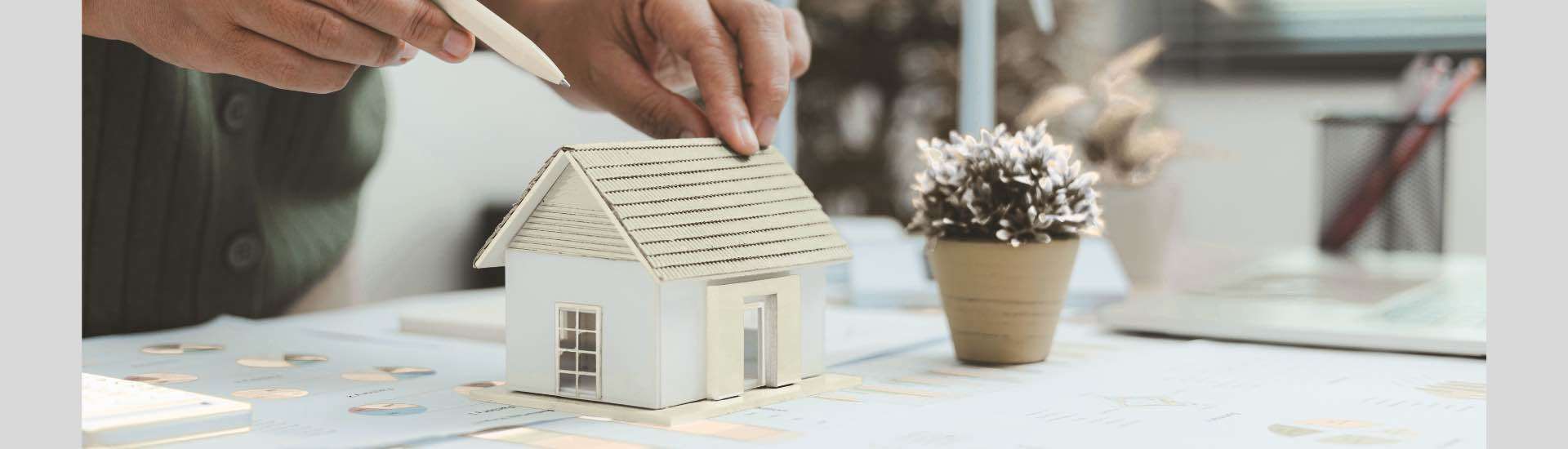
The impact of modernization, including the construction of large buildings and complexes, is evident in the depletion of the ozone layer caused by deforestation, disruption of the ecological balance, increased emissions of harmful gases, smog, and air pollution. These factors are making life increasingly difficult for all of us. If only we could all consider adopting more green products in our construction and home décor to make them eco-friendly, things could improve significantly.
From the Vaastu and Feng Shui perspectives, the soil around a building needs to breathe. Therefore, planting trees around the house to filter the air and using paving blocks for terraces instead of cement—both of which align with green design principles—would be a creative and effective approach.
Green architecture, also known as green design, is an approach aimed at reducing the harmful effects of buildings on human health and the environment. Vaastu and Feng Shui emphasize harmony and balance between humans and nature; moreover, the concept of green architecture has been supported by these ancient sciences for thousands of years.
Green in Feng Shui is the color of renewal, fresh energy, and new beginnings. It represents the Wood element and is said to promote growth and health. Green also calms the nerves and balances the entire body by bringing healing vibrations from nature. From the fresh spring color of newly opened leaves to the deep green of a mighty oak tree, there are literally hundreds of shades of green to choose from in your Feng Shui applications. A great way to incorporate green in Feng Shui is by using actual plants with lush green foliage.
When it comes to construction materials, the recent adoption of bamboo as a substitute for steel in fabricating wardrobes, doors, and flooring has proven to be highly effective. Bamboo is an eco-friendly option because it is a fast-growing grass that can be selectively harvested annually. It is extremely durable and harder than red oak and maple, exhibits 50% less contraction and expansion than wood, and is a renewable resource. If you prefer to stick to conventional materials, tiles are a good alternative. Tiles are another eco-friendly, durable option, especially when made with recycled content. They are long-lasting, easy to clean, and can incorporate recycled materials such as broken window panes and granite dust.
Eco-friendly construction can not only help to create a better outdoor environment, but it can also help to build a healthier indoor environment. Adapting Vaastu and Feng Shui designs in the layout, décor, and landscaping, one can effectively implement an Eco-friendly “Green Healthy Home”.
Author
S.BS.Surendran
Accredited Master Feng Shui Consultant, Bioenergetician, and Traditional Vaastu Practitioner
Email: - [email protected]
Website: - http://www.fengshuiserver.com











1 Comments
Trevor Cummings says:
Jun 23, 2026 at 08:58 amEco friendly, maybe. How pocket friendly is it?