Aug 21 2026.
views 106There was a time when our lives were closely connected with nature. We lived beside rivers, surrounded by forests and open landscapes, cultivated our own food, breathed fresh air, and appreciated the abundance that the Earth provided. This close relationship with nature not only sustained our physical well-being but also brought a sense of peace, balance, and gratitude. Although modern lifestyles have transformed the way we live, the desire to reconnect with nature has never been more relevant.
Rapid urbanisation, expanding cities, and the construction of high-rise buildings have undoubtedly improved infrastructure, but they have also contributed to the depletion of green cover, increased air pollution, rising temperatures, and an imbalance in the natural ecosystem. Deforestation, excessive use of non-renewable resources, and the emission of greenhouse gases have affected both the environment and human health. By incorporating sustainable materials and environmentally conscious design into our homes, we can reduce our ecological footprint while creating healthier living spaces.
From the perspective of Feng Shui and Vaastu, a home should exist in harmony with its natural
surroundings. The land around a building should be allowed to "breathe", making landscaped
gardens, permeable paving, and open green spaces valuable additions to any property. Planting
trees, shrubs, and flowering plants not only improves air quality but also enhances the flow of
positive energy, creates natural shade, reduces heat, and encourages biodiversity. These principles
closely align with today's concepts of sustainable and climate-responsive architecture.
Green architecture is an approach to designing buildings that minimise environmental impact while
improving the health and comfort of occupants. Long before sustainability became a global priority,
both Feng Shui and Vaastu emphasised respecting nature, using natural materials, maximising
daylight and ventilation, and creating balance between people and their environment. Their timeless principles continue to support many of the practices now recognised in green building design.
In Feng Shui, green symbolises renewal, vitality, growth, and fresh beginnings. It represents the
Wood element, which is associated with health, family, creativity, and steady progress. Introducing
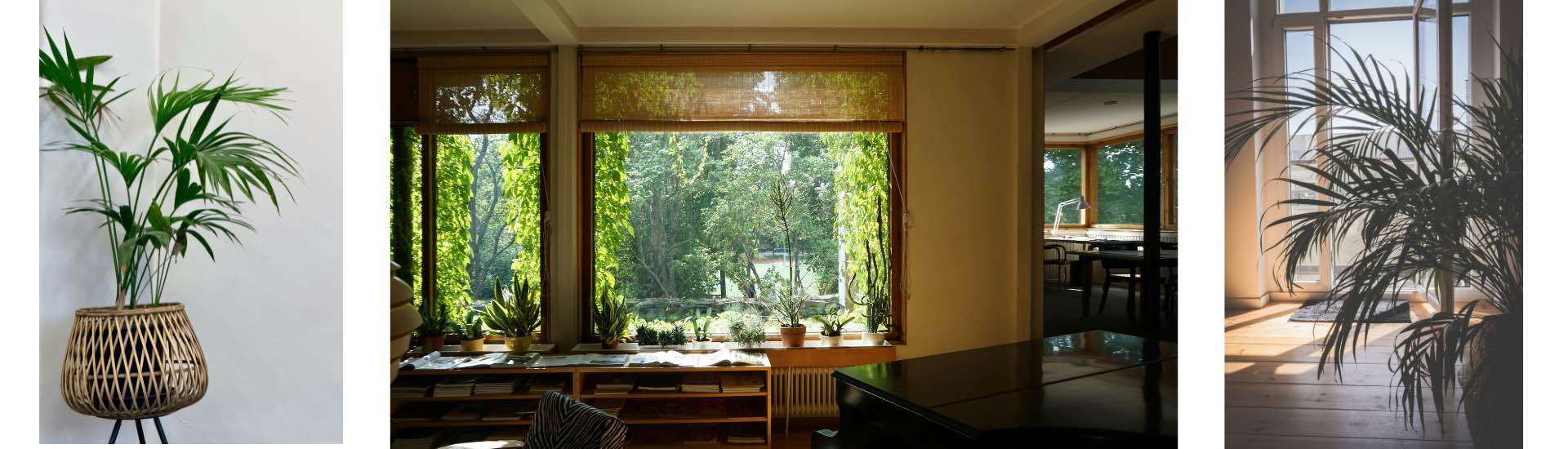
green through indoor plants, gardens, green walls, or natural views helps reduce stress, improves
indoor air quality, and creates a calming atmosphere. Plants with healthy, vibrant foliage also soften
interiors and strengthen the connection between the home and the natural world, reflecting the
principles of biophilic design.
The choice of building materials also plays an important role in creating an environmentally
responsible home. Bamboo has emerged as an excellent alternative to conventional timber and steel in selected applications. As one of the fastest-growing renewable resources, bamboo is strong, durable, and highly sustainable, making it suitable for flooring, cabinetry, furniture, and decorative elements. Recycled wood, reclaimed stone, low-VOC paints, energy-efficient glass, and locally sourced materials further reduce environmental impact while enhancing indoor comfort.
For homeowners who prefer conventional materials, ceramic and porcelain tiles manufactured with
recycled content offer another eco-friendly solution. Durable, easy to maintain, and available in a
wide variety of designs, these products often incorporate recycled glass, granite dust, or reclaimed
ceramic waste, making them both practical and environmentally responsible.
Creating a green home is about more than reducing energy consumption; it is about fostering a
healthier relationship between people and nature. By integrating sustainable construction practices
with the timeless principles of Feng Shui and Vaastu in planning, landscaping, interior design, and
material selection, homeowners can create living spaces that are energy-efficient, environmentally responsible, and conducive to health, prosperity, and long-term well-being. A truly green home benefits not only its occupants but also the planet for generations to come.
Author
S. B. S. Surendran
Accredited Master Feng Shui Consultant, Bioenergetician and Traditional Vaastu Practitioner
Email: [email protected]
Website: http://www.fengshuiserver.com










0 Comments