May 19 2026.
views 6By Adrian Jesuthasan
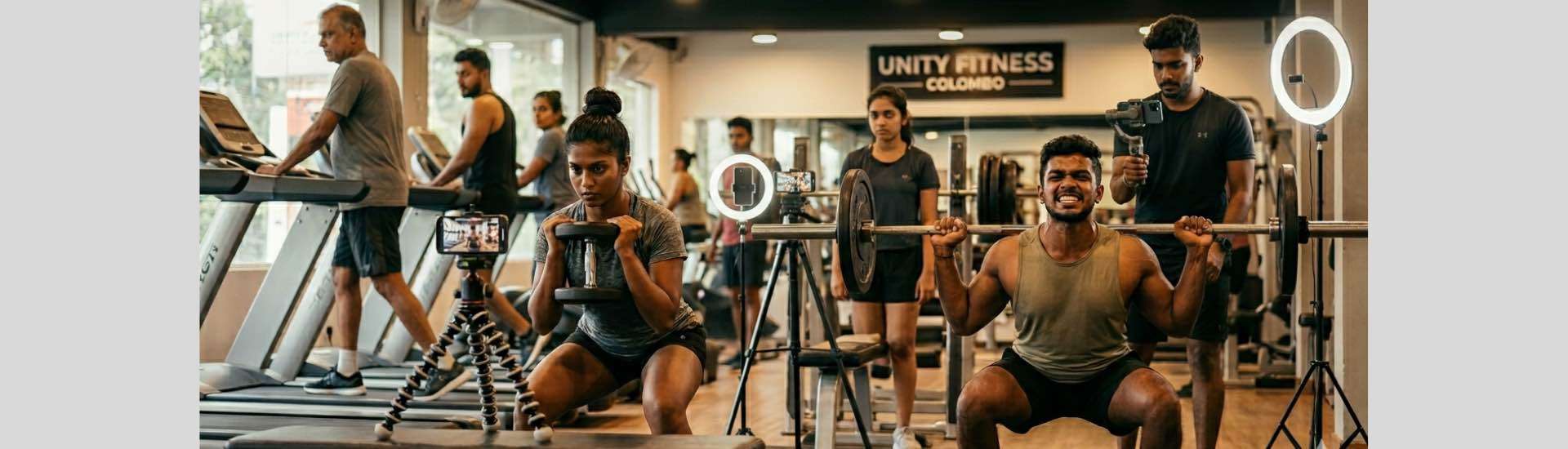
Gyms have stopped feeling like training spaces and started feeling like performance stages.And I don’t think it happened all at once. It happened slowly. A camera here. A tripod there. A few workout clips online. Then suddenly, what used to be a place where people quietly worked on themselves became a place where many now feel like they’re constantly being watched.
After more than 13 years on the fitness frontlines, I’ve noticed a major shift in gym culture. Years ago, most people came in, trained, chatted with a few familiar faces, and went home. The focus was simple: self-improvement.
Today, for many, fitness has become something else entirely. It’s become a performance. Now, to be fair, not all of this is bad. Social media has helped people - including me - discover fitness, learn exercises, and stay motivated. Some people genuinely enjoy documenting their progress, and there’s nothing wrong with celebrating hard work. Confidence is a good thing. But there’s a point where sharing fitness and performing fitness become two completely different things. And most gym goers can feel the difference immediately. We’ve all seen it.
Someone setting up a camera before every set as if they’re filming a documentary. A group
occupying equipment longer than they actually use it because half the workout is discussion
and the other half is getting the perfect angle. Loud reactions after every rep that somehow
only appear when people are watching. And the funny part is everyone else in the gym
pretends not to notice. But they notice. The person waiting awkwardly for equipment notices. The beginner trying not to walk into someone’s video notices. The member who came to train quietly after a stressful day definitely notices.
What used to feel like a shared training space can suddenly start feeling like someone else’s
content studio. Again, this isn’t about attacking social media or saying gyms should be silent,
serious places. Energy is part of gym culture. Motivation is contagious. But somewhere in all
of this, many people have stopped asking themselves an important question: Am I training for
myself anymore? Or am I performing fitness for approval?
The truth is, modern fitness culture often rewards appearance more than experience. Looking disciplined sometimes gets more attention than actually being disciplined. A good photo gets more validation than good health habits. People feel pressure not just to improve, but to constantly prove they’re improving. And that pressure quietly changes behavior.
People stop training according to what their body needs and start training according to what
looks impressive. Simpler workouts become boring. Rest days feel invisible because they
can’t be posted. Even progress itself starts to feel less personal and more public.
I’ve seen people interrupt perfectly good workouts because they were unhappy with how a
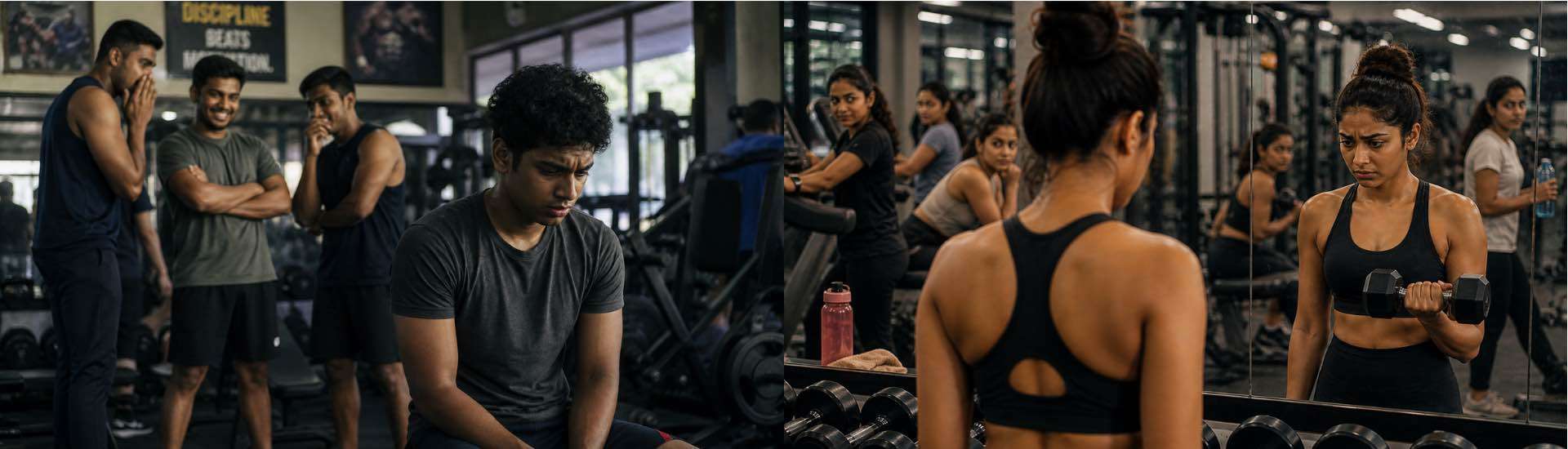
video looked. I’ve seen beginners hesitate to try exercises because they feel like everyone
around them is more experienced, more confident, or more camera ready. That’s one of the saddest parts of this shift. Because gyms were never supposed to feel intimidating. They were supposed to feel human.
Some of the strongest people I’ve ever seen in a gym barely spoke, never recorded himself,
and trained with complete focus every single day. Most people probably walked past him without noticing him. No performance. No attention seeking. Just years of quiet consistency. And that’s the thing modern fitness culture sometimes forgets: real progress is usually boring to watch. It’s repetitive. Quiet. Unremarkable on most days.
The strongest habits are often built without applause. But we now live in a culture where visibility can easily be mistaken for value. If people don’t see the workout, somehow it feels less productive. If progress isn’t posted, it almost feels incomplete. That mindset doesn’t just affect influencers or content creators. It slowly affects ordinary gym goers too. People become more self conscious. More performative. More aware of how they look while training instead of how they actually feel. And over time, the atmosphere changes. You can feel it in gyms.
Some spaces still feel grounded. People train hard, respect each other, and understand the balance between social interaction and personal space. But other spaces start feeling exhausting. Not physically exhausting. Socially exhausting. Too much noise. Too much
posturing. Too much awareness of being perceived. Ironically, in a place designed for self
improvement, people become increasingly distracted by everyone else. This is where fitness
slowly stops feeling therapeutic. Because one of the greatest mental benefits of training is
presence. For an hour, you’re focused. Moving. Breathing. Escaping stress. But when training
becomes performance, your attention leaves your body and shifts outward toward validation,
reactions, and comparison.
You stop experiencing the workout. You start managing the image of the workout. And those
are two very different things. I think this is especially important for beginners to hear because many people avoid gyms entirely due to intimidation. They assume everyone inside is
judging them, watching them, or comparing them. The reality is, most people are too focused
on themselves to care. But performative gym culture sometimes reinforces that fear. It
unintentionally creates environments where people feel like they have to look a certain way
before they even deserve to be there.
Fitness should meet people where they are not where social media says they should be. At its
best, a gym is one of the few places where people from completely different lives come
together to improve themselves. It shouldn’t matter whether someone is lifting heavy,
walking on a treadmill, training for sport, or simply trying to feel better mentally after a difficult week.
There should be room for all of it. But for that to happen, gyms need to feel less like stages and more like communities again. Because at the end of the day, the people who truly succeed long term in fitness are rarely the loudest or most visible. They’re usually the ones quietly showing up, year after year, without needing the room to watch them do it.









0 Comments