Feb 17 2026.
views 203By Lughadarini Yogaraja
The days after Valentine’s are strangely quiet. The heart-shaped balloons begin to sink. The supermarket shelves look less dramatic. The social media declarations slow down. What felt urgent yesterday already feels distant. And somewhere in that quiet, love remains without the spotlight. Once the celebration passes, what lingers is not the bouquet or the bill. It is the everyday choices that continue long after February 14.
The Commercial Trap
Modern romance has been expertly packaged, marketed, and monetized. We are told that love must be proven, displayed, and ideally posted for likes. The more extravagant the gesture, the deeper the affection or so advertising algorithms insist. What was once a simple expression of care has been transformed into a high-pressure event that pushes people to buy, spend, and compare. Love, in this version, comes with a price tag and the cost often far exceeds what is necessary or meaningful. Now that the noise has settled, it is easier to see how heavy that pressure can be.
In countries like ours, where families are still recovering from economic strain, floods, job insecurity, and rising living costs, this pressure can feel heavy. Valentine’s Day has become less about love and more about consumption, creating a cycle of unnecessary spending that leaves wallets and sometimes relationships strained. Yet the most enduring love stories rarely begin with a receipt. What remains after the spending stops is something far quieter.
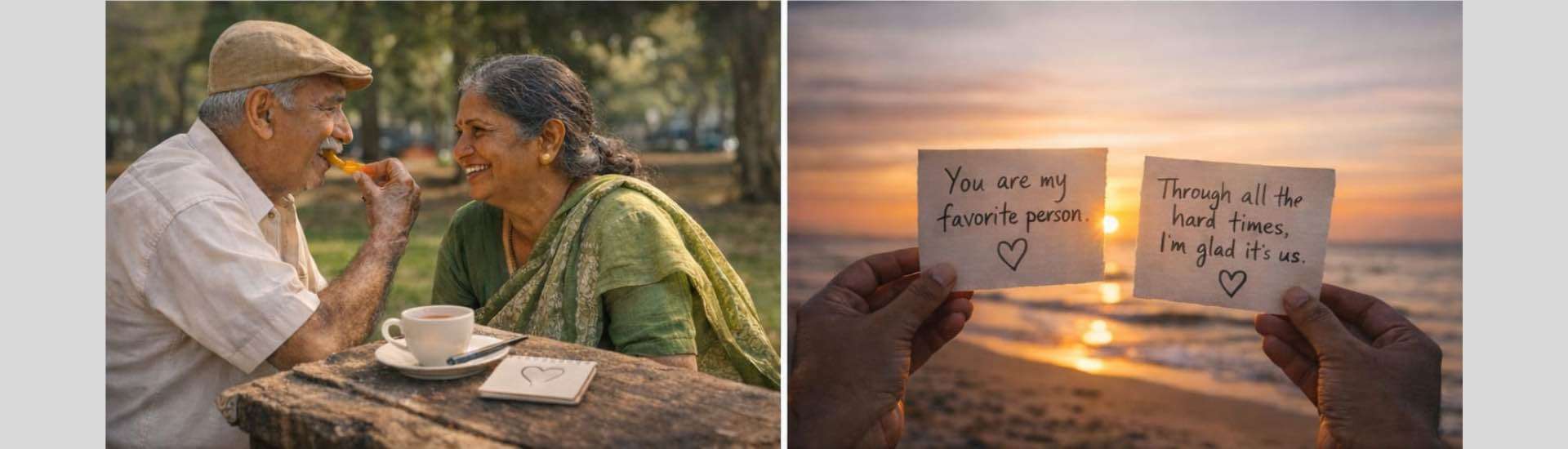
Love is waking up early to make tea the way your partner likes it extra milk, less sugar without being asked. It is walking together in the evening when the electricity cuts out, turning a blackout into a pocket of conversation. It is saving the last piece of mango because you know it’s their favorite. It is sitting beside someone in silence when words feel inadequate.
These gestures don’t trend online. They don’t sparkle under restaurant lighting. But they build something far stronger than spectacle: emotional safety and emotional safety is priceless. And emotional safety does not expire on February 15.
In a world of constant scrolling, divided focus, and endless notifications, undivided attention has become rare. To truly listen, to put the phone down and hear someone’s worries, dreams, or random stories about their day, is one of the purest forms of love.
You don’t need roses when you are fully seen. Being present says: You matter more than whatever else is competing for my time. That message lasts longer than any bouquet.
Love in Hard Times
If anything, the days after celebration reveal what love is really made of. Economic hardship reveals what love is really made of. When resources are limited, creativity grows. Couples rediscover parks instead of restaurants. They cook together instead of ordering in. They write notes instead of buying cards. Something unexpected happens: intimacy deepens.
Shared struggle builds solidarity. It transforms “you and me” into “us against the world.” When love survives difficulty without the cushion of luxury, it becomes resilient. Choosing someone every day because it’s real, not glamorous is profoundly romantic.
Redefining Celebration
Perhaps the most honest celebration begins once the decorations are gone. Celebration does not require consumption. It requires intention. A handwritten letter describing why you’re grateful for someone can outlast a box of imported sweets. A long conversation under the stars can mean more than a crowded restaurant reservation. A spontaneous bus ride to the beach, a shared playlist, or a late-night walk can become the story you retell years later.
These are the moments that accumulate quietly, like savings in an emotional bank account and unlike gifts, they don’t expire.
The Eye-Opening Question
So now that Valentine’s Day has passed, the real question remains. Ask yourself: if the shops were closed, if there were no flowers to buy, no jewelry to display, no chocolates to unwrap, would your love still feel strong?
If the answer is yes, you’re rich because love that survives without props is the kind that sustains marriages, friendships, and families. It is steady. It is patient. It is built on daily acts of care rather than seasonal extravagance. And unlike the commercialization of Valentine’s Day, it does not come with a bill.











0 Comments