Mar 31 2026.
views 230By Hafsa Rizvi
There is an app on more than 500 million phones around the world that has made people feel genuinely guilty for missing a vocabulary lesson. If you have ever received a notification from a cartoon owl at nine in the evening, giving you a pointed look for skipping your Spanish practice, you already know exactly which app this is.
Duolingo has been around since 2012, but in 2025 and into 2026, it became something meaningfully different from what it started as. It is no longer just a language app with a loyal following. It is now one of the most AI-powered learning platforms available to everyday people, and it is completely free to start.
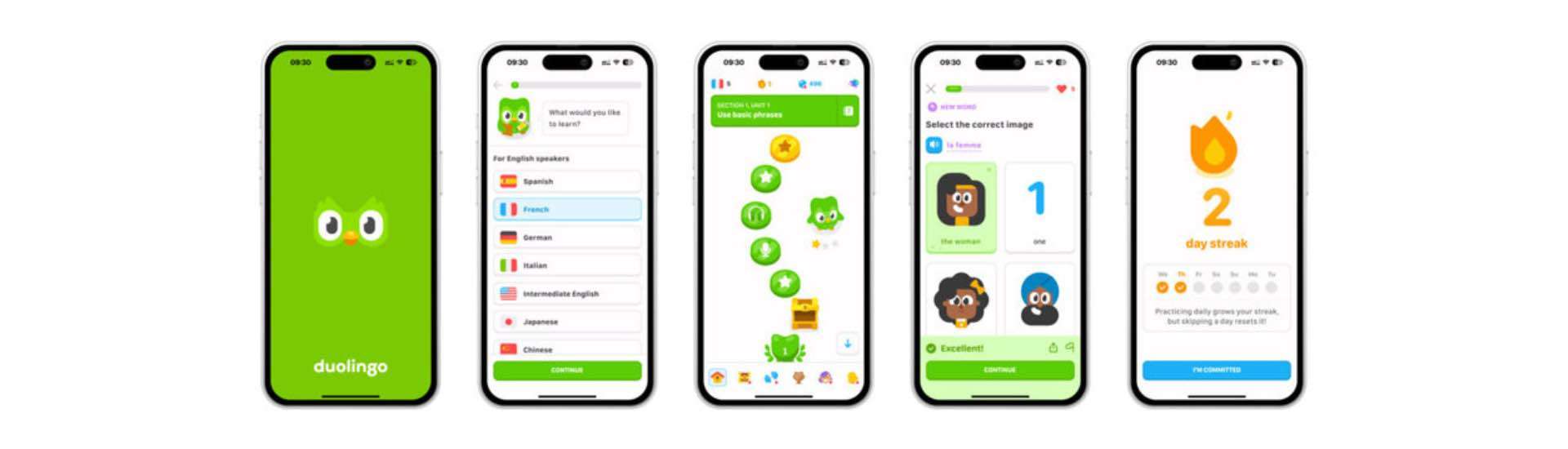
At its core, Duolingo teaches languages. Not one or two. Currently, more than 4 languages are available, ranging from Spanish, French, Japanese, and Korean to more unusual options like Esperanto and Welsh. Lessons are short, typically five to ten minutes, and built around listening, reading, speaking, and matching exercises that rotate frequently enough to stay interesting.
What changed significantly in 2025 was the introduction of AI-driven personalisation at a deeper level. The app now tracks not just what you have completed, but where you hesitate, which answers you get wrong twice in a row, and which vocabulary you tend to forget after a few days. It then quietly adjusts what it shows you next, prioritising the things you are most likely to lose without reinforcement. For a free app, this is a genuinely impressive level of adaptation.
The premium tier, called Super Duolingo, costs around $12.99 per month or less on an annual plan. It removes advertisements, provides unlimited practice attempts, and enables offline lessons. A higher tier called Duolingo Max adds AI conversation features, including a live practice mode where you speak with an AI character and receive feedback on pronunciation and grammar in real time. That tier is priced significantly higher and is not available in all regions yet, so most Sri Lankan users will find the free version or Super sufficient for now.
For school students: Duolingo is one of the most natural ways to build a new language skill alongside formal education. Students preparing for English proficiency, learning a third language, or simply curious about Japanese or Korean pop culture will find the gamified format genuinely fun rather than tedious. The streak system, where you earn points for practising daily, creates a rhythm that feels more like a game than homework. Teachers in some schools have begun assigning it directly through Duolingo for Schools, a free classroom tool that lets educators set targets and track individual progress.
For corporate professionals: The use case here is practical and growing. Professionals who work across international teams, deal with clients in other countries, or are preparing for an overseas posting have found Duolingo useful as a consistent daily habit that fits into commutes or lunch breaks. Five minutes on the app during a coffee queue is genuinely enough to make slow, steady progress. For someone who wants to build conversational confidence in a second language without enrolling in a formal course, Duolingo is a reasonable starting point.
For retired people: This is perhaps the most underappreciated audience for the app. Retired individuals looking for mental stimulation, a new skill, or a way to prepare for international travel have taken to Duolingo in large numbers. The interface is clean and simple, the text is large enough to read comfortably, and there is no pressure or test anxiety. You can go at any pace, revisit any lesson as many times as you want, and pick it up and put it down without losing your place. For anyone in this phase of life who has always wanted to learn Italian before a trip to Europe, or who wants to follow Korean dramas without subtitles, Duolingo is an unusually friendly starting point.
Honest reviews matter, and there are real limitations worth knowing before you invest time in the app.
Duolingo is very good at building vocabulary and basic grammar instincts. It is less effective at teaching you how to hold a genuine conversation. The sentences practised can sometimes feel unnatural or overly simple, and there is limited instruction on why certain grammar rules work the way they do. For learners who progress past beginner level and want real depth, most language experts recommend using Duolingo alongside other resources rather than exclusively.
A notable recent change is the introduction of an energy system for free users, which limits how many lessons you can complete in a day before hitting a wall and being asked to wait or watch advertisements. For casual learners doing one lesson a day, this makes little difference. For anyone who prefers intensive daily sessions, it is a meaningful restriction that pushes toward the paid plan.
The Super Duolingo paid subscription, while reasonably priced globally, remains an added cost. Free users in regions with less stable ad delivery may find the ad-watching alternative for refilling energy unreliable.
Duolingo earns its place on your phone not because it will make you fluent on its own, but because it does something much harder: it makes you show up every day. The habit is the product. And for a student building vocabulary, a professional adding a language to their professional toolkit, or a retired person finally learning the French they always meant to learn, that daily habit is genuinely valuable.
Start with the free version. Give it two weeks. If you find yourself looking forward to the five-minute morning lesson, it is already working.
Available on the App Store and Google Play. Free to download. No account required to begin.












0 Comments