Aug 04 2026.
views 60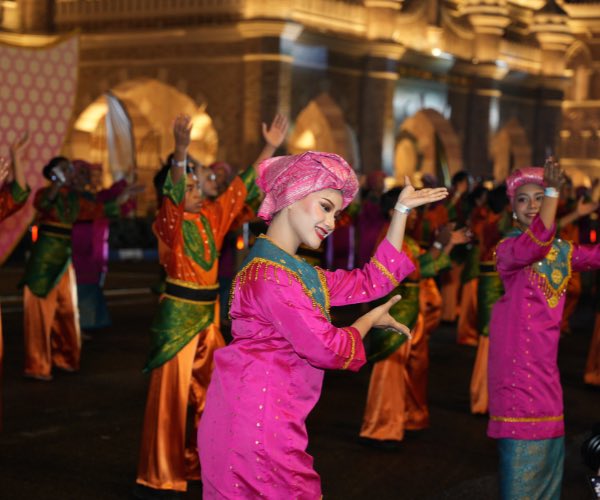
By Rihaab Mowlana
Photos: Handout
Every nation tells stories about itself. Some do it through museums. Others through history books, national anthems or political speeches. Increasingly, however, countries are choosing a different stage altogether. They are telling their stories through tourism, transforming identity into experiences that can be watched, photographed, shared and, ultimately, remembered. Malaysia's Citrawarna, or Colours of Malaysia, is one such story.
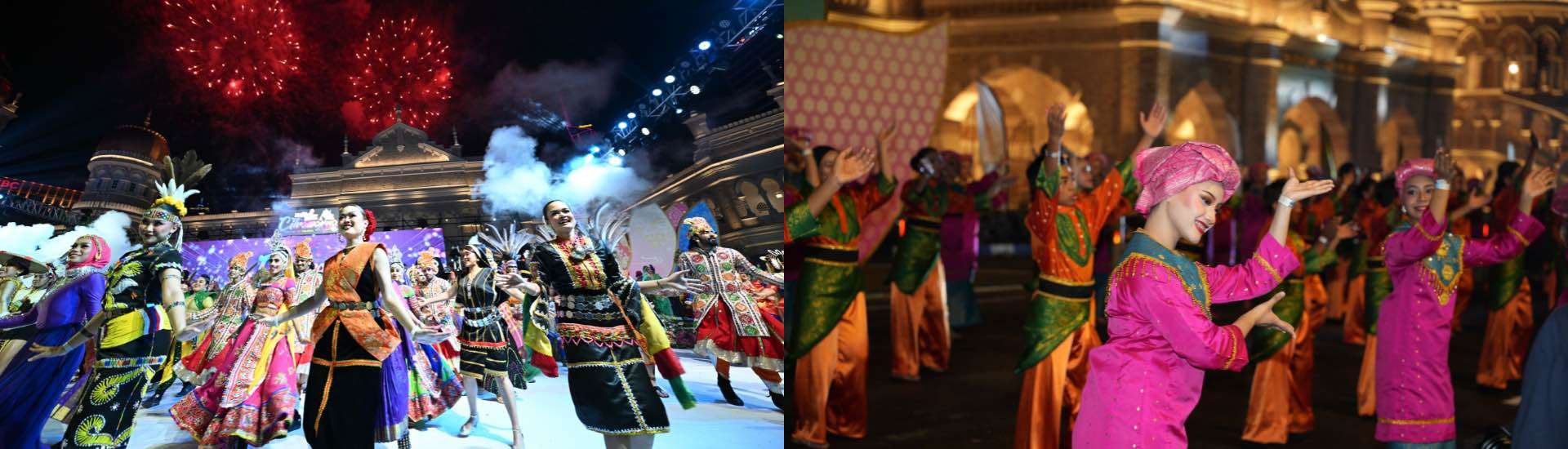
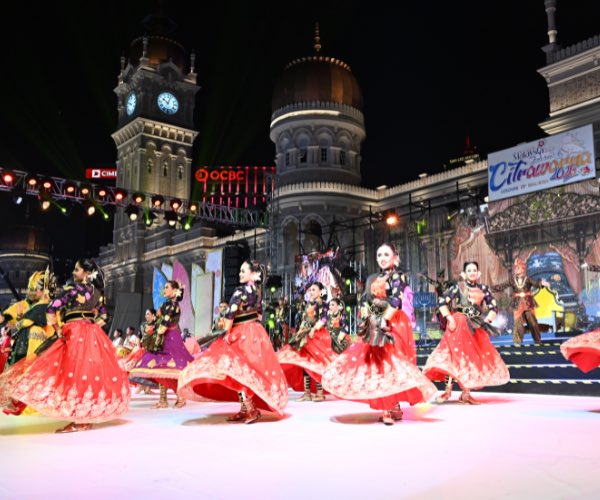
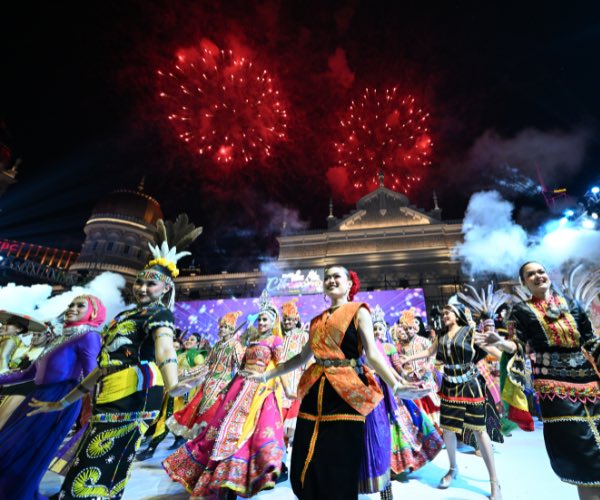
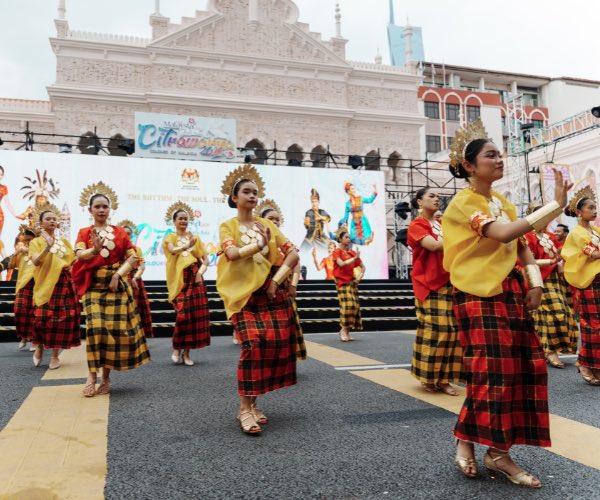
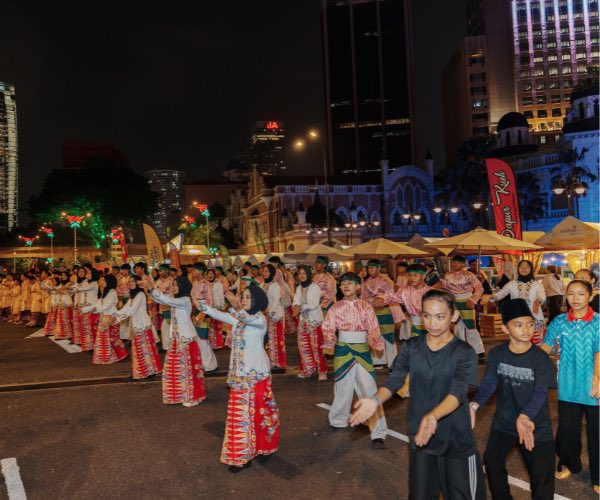
This year's edition transformed Kuala Lumpur's iconic Merdeka Square into a breathtaking spectacle, bringing together more than 3,500 performers in a dazzling display of dance, music, costume and tradition. The parade, the centrepiece of the wider Citrawarna celebration of Malaysian culture, music and food, saw performers representing the country's diverse states move through elaborate choreographed sequences as giant cultural icons towered above the crowds. Traditional rhythms echoed through the city centre, while a sea of colour flowed across the square with almost theatrical precision. It was impossible not to be impressed.
Yet to describe Citrawarna simply as a cultural parade is to overlook what makes it so remarkable.
More Than a Parade
What unfolded in Merdeka Square was not merely entertainment but the careful performance of a national identity. Every dance, every costume and every transition appeared to contribute to a larger narrative about Malaysia itself. It was a reminder that tourism today extends far beyond persuading people to visit a destination. Increasingly, it asks them to believe in a story.
That distinction matters because the way countries market themselves has changed dramatically. There was a time when tourism campaigns revolved around beaches, wildlife and famous landmarks. Beautiful photographs and catchy slogans were enough to spark curiosity. Today's travellers, however, seek something more intangible. They want authenticity. They want connection. They want to feel as though they are stepping into a story rather than simply ticking another destination off a list. Countries have adapted accordingly. Rather than marketing places, they increasingly market identity.
Citrawarna illustrates this remarkably well. Throughout the evening, indigenous traditions stood comfortably alongside contemporary performances. Royal heritage met modern creativity. Malaysia's ethnic diversity was presented not as fragmented or competing, but as a harmonious whole woven into a single national narrative. Whether reality is always so seamless is, perhaps, beside the point.
Performance has never existed to document reality in its entirety. Theatre selects. It frames. It emphasises. It invites audiences to suspend disbelief long enough to understand a larger truth. Citrawarna operates in much the same way.
For one evening, Malaysia presents itself as it wishes to be understood: colourful without becoming chaotic, diverse without appearing divided, traditional without seeming trapped in the past, and modern without abandoning heritage. Every carefully timed entrance, every costume and every piece of choreography contributes to that larger story.
Culture as Soft Power
Even the presence of Prime Minister Anwar Ibrahim and Minister of Tourism, Arts and Culture Tiong King Sing felt symbolic. Their attendance suggested something larger than ceremonial protocol. It reinforced the idea that culture and tourism are not peripheral industries but central pillars of economic strategy, diplomacy and international perception. This is where Citrawarna becomes particularly fascinating.
For decades, countries competed for tourists through infrastructure and attractions. Better hotels. Better airlines. Better beaches. Those things still matter, but they are no longer enough in an age where almost every destination can be explored digitally before a traveller ever boards a plane. What cannot be replicated so easily is a compelling national story.
Culture has therefore become one of tourism's most valuable assets, not simply because it can be showcased, but because it creates meaning. People rarely remember hotel specifications or airport transfers. They remember how a place made them feel.
That is precisely why festivals such as Citrawarna matter. They are not simply celebrations organised for domestic audiences. They are acts of cultural diplomacy, communicating values, priorities and aspirations through music, dance and shared celebration rather than statistics or policy papers.
The Question of Authenticity
Whenever culture becomes part of a tourism strategy, questions inevitably arise. Can traditions remain authentic once they become performances? Does presenting culture for visitors diminish its meaning, or does it help preserve traditions that might otherwise fade with time? There are no easy answers. Perhaps authenticity has always been more fluid than we imagine.
Culture has never been static. Festivals evolve. Rituals adapt. Performances absorb contemporary influences while remaining rooted in history. Rather than freezing tradition in time, events like Citrawarna acknowledge that culture is something living, capable of speaking simultaneously to local communities and international audiences.
Who Gets to Tell the Story?
Watching thousands of performers move across Merdeka Square, I found myself thinking less about tourism and more about national identity. Who decides which stories represent a country? Which traditions are elevated? Which histories receive centre stage?
Every nation makes these choices, whether consciously or otherwise. National days, Olympic opening ceremonies, military parades and cultural festivals all attempt to answer the same question: Who are we?
Malaysia's answer was strikingly optimistic. It suggested that diversity is not merely tolerated but celebrated. That heritage remains relevant in a rapidly modernising nation. That culture can be deeply rooted while confidently shared with the world. Whether every visitor interprets that message in exactly the same way is almost irrelevant. Stories are not powerful because everyone reads them identically. They are powerful because they leave an impression.
After the Music Ends
Long after the final dancers exited the square and the music faded into the Kuala Lumpur night, what lingered was not a single performance or costume but the larger narrative the evening had constructed. It reminded me that tourism is no longer simply an economic activity. It is an exercise in storytelling, where nations compete not only for visitors but for imagination.
Citrawarna succeeds because it understands a simple truth: people rarely fall in love with destinations because of facts alone. They fall in love with the stories those places choose to tell. And for one unforgettable evening in Kuala Lumpur, Malaysia told its story in colour.
Note: The writer attended Citrawarna 2026 at the invitation of Tourism Malaysia.












0 Comments