Jun 30 2026.
views 127By Hafsa Rizvi
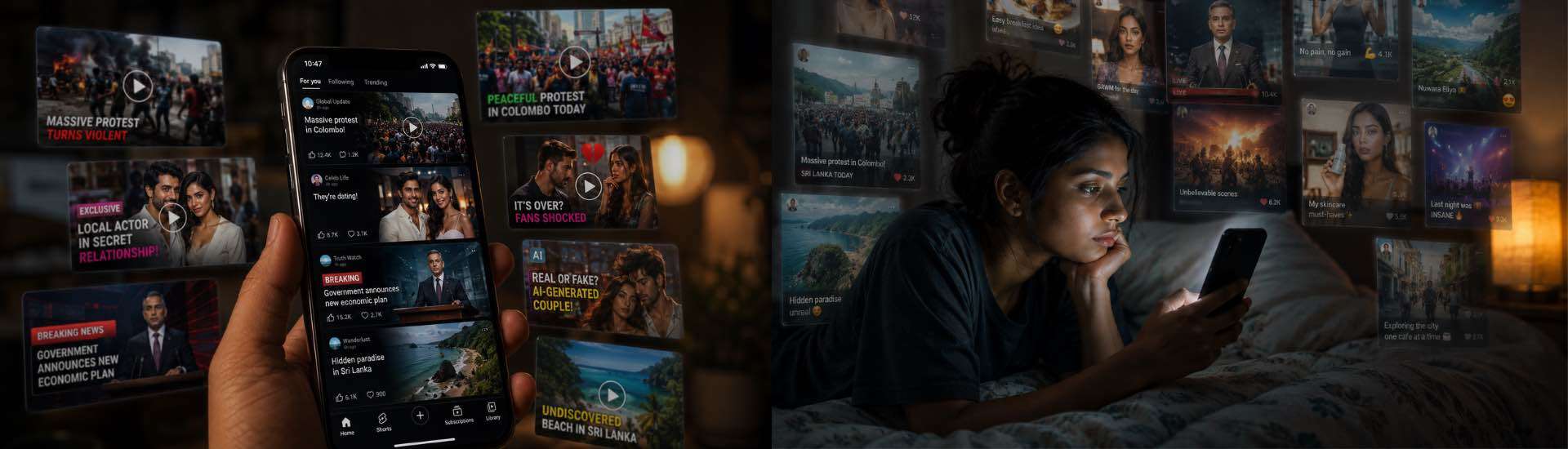
Here is a question worth sitting with before you scroll any further today. The last video that made you gasp, laugh, or feel outraged online, did you ever stop to ask whether it was real?
Most of us did not. Most of us never do. And that instinct, the quiet, automatic trust we extend to what we see, is exactly what is being exploited right now on a scale that most people have not yet fully understood.
The internet is becoming fake. Not in small, obvious ways that are easy to catch. In quiet, polished, deeply convincing ways that are getting harder to spot every single month. And the consequences of that are far bigger than a viral hoax or a funny edited video. They reach into how we understand the world, how we feel about ourselves, and whether we can trust anything we see at all.
The Numbers That Should Shock You
Before we get into the human side of this, let's start with something that deserves a moment of genuine pause.
Recent studies suggest that 62% of online content could now be fake. Read that again. More than half of what fills your feed on any given day may not reflect anything that actually happened. Meanwhile, the volume of deepfake content alone is projected to increase by 900% annually, with the UK government tracking a rise from 500,000 deepfake files in 2023 to a projected 8 million in 2025.
And here is the part that truly unsettles experts. In tests measuring human ability to detect fake audio, people claim around 73% accuracy, but in reality, for clips under 20 seconds, correct identification drops below 60%. In mixed tests across different types of media, only 0.1% of participants identified fakes accurately across all formats.
We are not nearly as sharp as we think we are. And the technology exploiting that gap is improving faster than our instincts ever could.
The Person You Are Following May Not Be a Person
Think about the last influencer whose post caught your attention. The perfect lighting. The inspiring caption. The life that looked exactly aspirational enough to be believable.
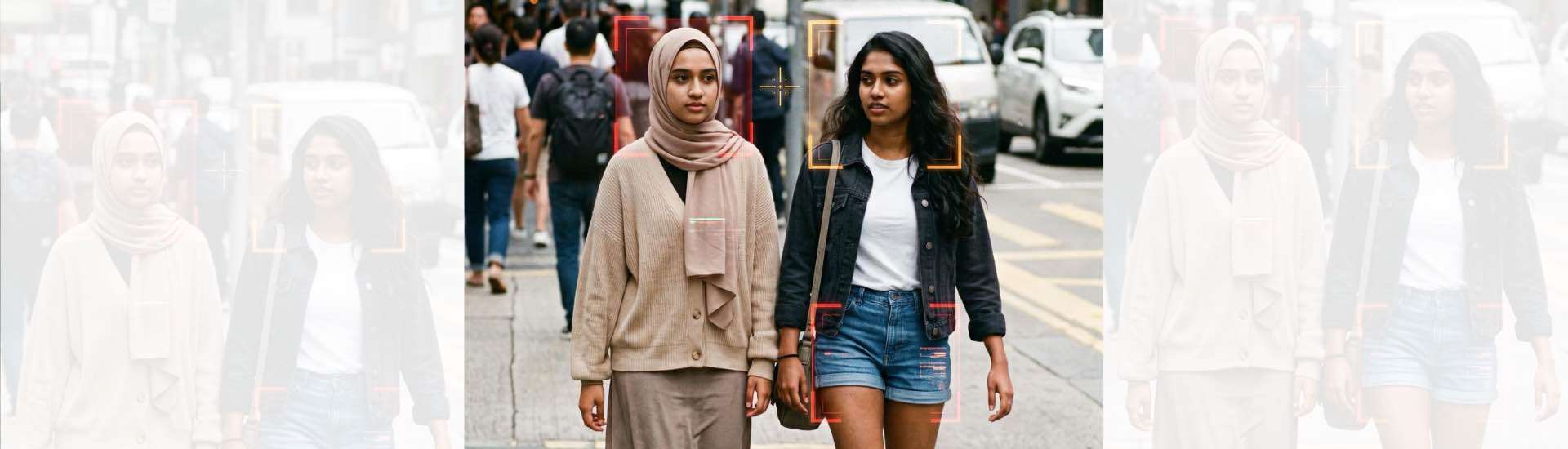
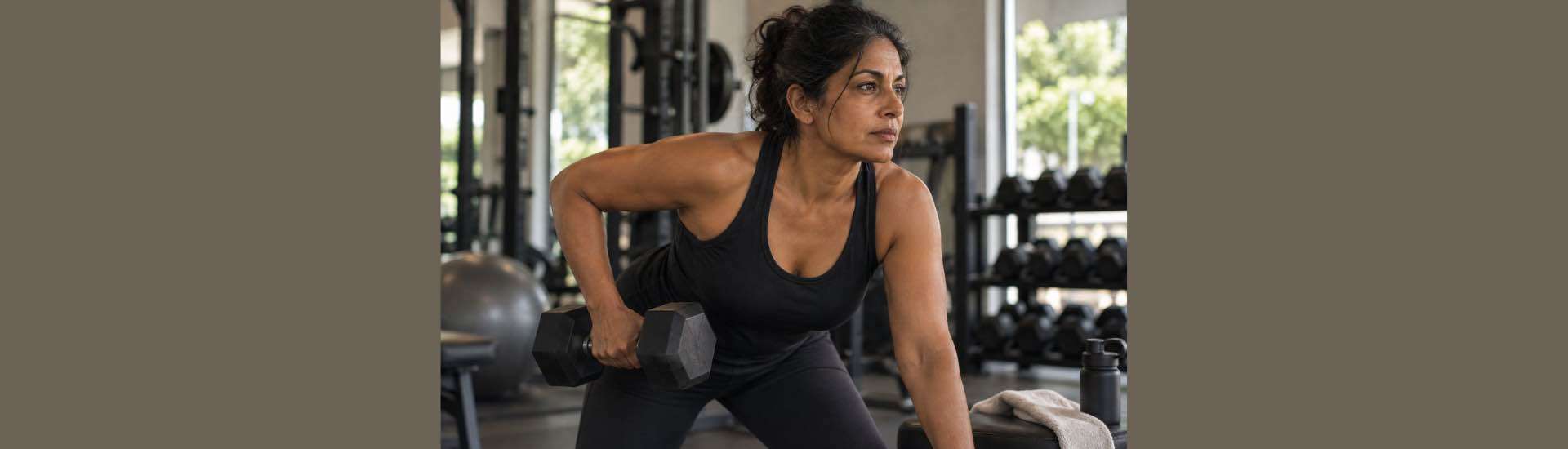
Now consider this: there is an entire and rapidly growing industry built around creating people who do not exist, giving them names and backstories and thousands of followers, and using them to sell products, spread messages, or simply generate income from your attention.
The AI influencer market is projected to surpass 1.5 billion dollars by 2030, and psychology helps explain why it works so well. Humans form what researchers call parasocial relationships, one-sided emotional bonds with people, characters, and personalities. As long as a presence online provides entertainment, inspiration, or a sense of connection, followers engage, often without ever questioning whether that presence is real.
For teenagers especially, this matters enormously. When the faces setting beauty and lifestyle standards online are not human faces at all but algorithmically designed images built to be as appealing as possible, the comparison game being played every night on a phone screen becomes something deeply unfair. You are measuring yourself against something that was engineered to be unmatchable, because it was never real to begin with.
Researchers in psychology warn that as fake profiles and artificial online content grow, our "truth default", the natural human tendency to assume what we encounter is genuine, begins to erode. And as that erosion spreads, we may need to redirect mental energy away from processing what we see and toward constantly questioning who is actually behind it. That is an exhausting way to live.
What Happens to Your Brain When Nothing Feels Certain
There is a name for the mental state that comes from constant exposure to potentially false information. Neuroscientists call it epistemic fatigue, the exhaustion that sets in when the brain is unable to determine what to trust. When everything can theoretically be faked, the mind begins to quietly accept that nothing fully matters. Truth loses its social value, and virality takes its place. What spreads wins, regardless of whether it is accurate.
Trust has long been the foundation of a functioning society and of individual mental well-being. When people trust their communities and institutions, they feel secure, which reduces anxiety and builds resilience. When that trust fractures, the consequences include feelings of isolation, chronic stress, and reduced social connection.
This is no longer a theoretical concern. It is a documented, measurable shift in how people relate to information, to one another, and to reality itself.
It Is Not Just About Silly Videos
It is tempting to think of this as a problem for people who get fooled by amusing clips. It is not.
A well-timed piece of fake audio released before a vote can shift public opinion before fact-checkers have a chance to respond. A fabricated video scandal can permanently damage a career even after it is proven false. And perhaps most chillingly, when people stop trusting any video evidence, real accountability becomes harder too, a phenomenon researchers call the "liar's dividend," where genuine footage can be dismissed simply by claiming it might be AI-generated.
In 2025 alone, state lawmakers around the world introduced nearly 150 bills related to deepfakes, covering everything from political misinformation to the impersonation of real people. Governments are scrambling. But legislation moves slowly, and the tools creating these problems are available to anyone with a smartphone and an internet connection.
In 2024, a single deepfake attack on a multinational engineering company resulted in an employee transferring 25 million dollars after being shown what appeared to be a live video call with senior executives. Every face on that call was fabricated. The money was gone before anyone realised what had happened.
The Uncomfortable Question Nobody Is Asking
Here is what rarely appears in the conversation about fake online content. We are not just victims of this problem. We are also, quietly, participants in it.
Every time we share something without checking. Every time we engage with content, it is emotionally satisfying rather than because it is true. Every time the algorithm learns that outrage, beauty, and spectacle earn clicks, we are teaching the internet what to feed us more of.
Algorithms on social media platforms prioritise engagement over accuracy, meaning emotionally charged or controversial content is more likely to be promoted and shared widely, regardless of whether it is true. Repeated exposure to false information creates what psychologists call the "illusory truth effect", where people begin to accept things as real simply because they have encountered them frequently.
The internet did not become fake all at once. It became fake one scroll, one share, one unchecked reaction at a time.
What You Can Actually Do
None of this means giving up. It means getting smarter and helping the people around you do the same.
Before you share anything that provokes a strong emotional reaction, pause. The stronger the feeling, the more carefully the content deserves a second look. Ask where it came from. Ask who benefits from your believing it. Ask whether you have seen the original source.
Talk to young people in your life about this, directly and without alarm. The skill of asking "is this real?" is fast becoming one of the most important things a person can know. It is worth teaching the same way we teach road safety or fire drills.
Major newsrooms are beginning to adopt systems that score footage by its likelihood of authenticity. Scepticism, once considered a niche habit, is becoming a survival skill.
The Internet Was Built on a Beautiful Idea
It was supposed to connect us. To give everyone a voice. To make information free and knowledge available to anyone who wanted it. And in countless ways, it still does all of those things. The problem is not that the internet is entirely broken. The problem is that the parts that are breaking are doing so quietly, convincingly, and at extraordinary speed.
Experts warn that the real danger of the current moment is not any single piece of fake content. It is the way that misinformation, especially when it mixes with authentic evidence, creates a generalised erosion of trust, an environment where real things start to feel suspicious simply because fake things look so real.
That is the world we are entering. And the only honest response is to look at it clearly, ask better questions, and refuse to let the algorithm decide what is true.









0 Comments