Jul 31 2026.
views 115By Sethil Muhandiram
Sri Lanka’s leopard stands as the island’s apex predator, a symbol of ecological balance and resilience. Yet, beneath this image lies a growing and deeply concerning reality. The threat facing this species is no longer limited to declining numbers alone. It is far more structural, quietly dismantling the very foundation required for long-term survival.
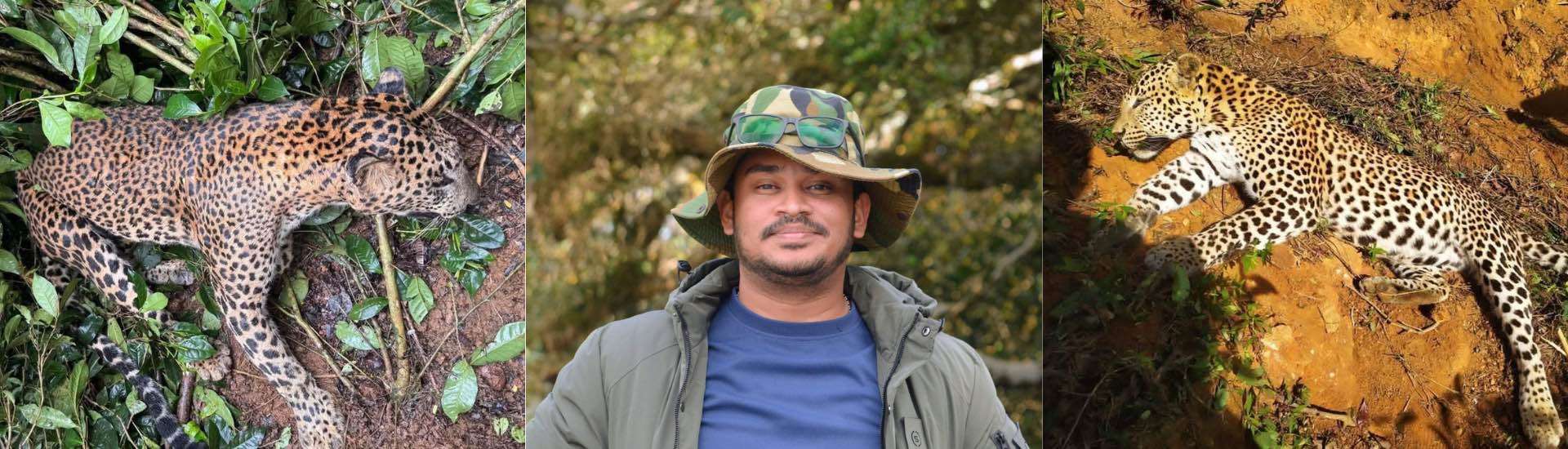
Recent research on human-caused leopard mortality across Sri Lanka reveals a striking and alarming pattern. A vast majority of recorded deaths, 87.3%, involve mature, breeding-age individuals. These are not the weakest or most vulnerable members of the population. They are the very animals responsible for reproduction, territory maintenance, and the transfer of survival knowledge to younger generations.
This shifts the conservation narrative entirely. The loss of cubs is tragic, but the systematic removal of breeding adults represents a far greater threat. When these individuals are lost, the population does not simply shrink. It loses its ability to recover.
In ecological terms, this represents a demographic collapse in progress. Apex predators like leopards rely on stable adult populations to maintain both their numbers and their ecological role. When breeding individuals are removed at such high rates, the consequences extend beyond immediate mortality. Reproductive rates decline. Genetic diversity weakens. Social structures within leopard populations begin to fragment.
The drivers of this mortality are closely tied to human activity. Snaring emerges as the leading cause, often set for other animals but indiscriminately capturing leopards. These incidents are especially concentrated in plantation landscapes and other human-dominated areas, where wildlife and people share space under increasing pressure. Additional causes, including poisoning, gunshot deaths, and roadkill, further compound the problem.
What makes this situation particularly complex is that many of these deaths are not driven purely by intent to kill leopards. Fear, livelihood needs, and limited awareness all play a role. In many rural and estate communities, daily life involves navigating landscapes where leopards are present. This overlap creates conditions where conflict, whether direct or indirect, becomes more likely.
However, regardless of intent, the outcome remains the same. The continued loss of breeding adults is steadily eroding the population’s capacity to sustain itself.
Addressing this crisis requires a shift in both perspective and action.
First, conservation messaging must evolve. Public awareness often focuses on vulnerable cubs, but the real urgency lies in protecting mature individuals. These are the “landscape kings and queens” that hold the population together. Their survival is directly linked to the future of the species.
Second, there is a need for long-term genetic and population monitoring. Without a clear understanding of population structure and health, conservation efforts risk being reactive rather than strategic. Regular assessments can help identify early signs of decline and guide targeted interventions.
Third, protection must extend beyond formally designated protected areas. Many leopard deaths occur in unprotected, human-dominated landscapes. Safeguarding known breeding and denning sites in these regions is critical. This includes working closely with local communities to reduce risks, improve awareness, and develop practical solutions that balance human needs with wildlife conservation.
Finally, enforcement plays a key role. Incidents involving snares and illegal activities often go unaddressed. Strengthening response systems and ensuring accountability can act as a deterrent, while also reinforcing the value placed on wildlife protection.
The future of Sri Lanka’s leopard cannot be secured by focusing on numbers alone. It depends on preserving the structure, resilience, and reproductive strength of the population.
What is being lost today is not just individual animals, but the very engine that sustains the species. Recognising this shift is the first step toward meaningful conservation.
As Sri Lanka marks Sri Lanka Leopard Day on August 1, this article forms part of a special series by the Wildlife and Nature Protection Society (WNPS), bringing together the voices of scientists, researchers and conservationists to highlight the many challenges facing the country's only big cat. Through evidence-based perspectives, the series aims to foster greater public understanding and inspire the collective action needed across research, policy, law enforcement, habitat protection and community engagement to secure a future for Sri Lanka's iconic leopard.











0 Comments