Jan 30 2026.
views 1202By Paul Topping
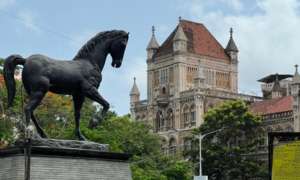
My Pettah walks start with Fort railway station, Colombo. Built in 1908, it is based at Manchester Victoria station in the UK. Ten platforms support seventy-three million passengers a year. Check out the unusual statue in front of the station. We then cross the road into Pettah.
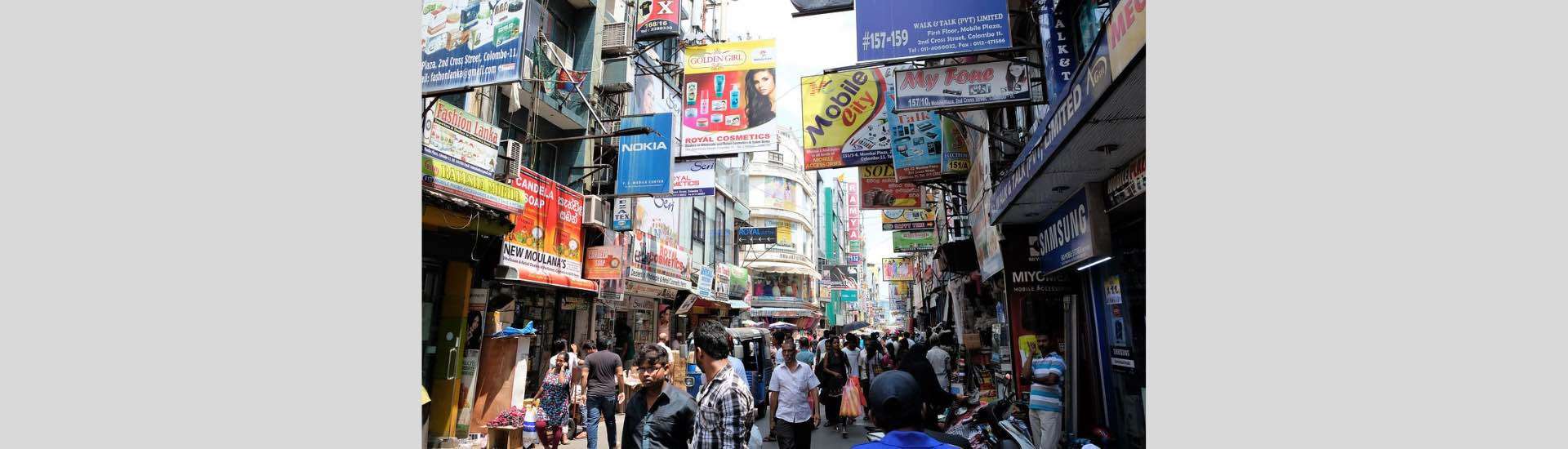
I have drifted towards doing the walks early on a Sunday to avoid the heat, the masses, the chaos, and the slower mobility in the big trading streets. There are five Cross Streets and a number of Main Streets of shops and traders.
My two favourite spots in Pettah are the old Town Hall, dating back to around 1873. Over a dozen visits, the man in charge has always been there to give the big tour in detail. Before you go into one room, he says there is a meeting going on, so no noise. You get in, and it is a recreation of the first council, all fully dressed as they were years ago. The detail goes right down to their faces and attire. Check out the original photo on show. This is followed by a tour of the building and free entry into the ground-floor vehicle museum. It includes a French mobile library van, a steamroller from the UK, and many more items from bygone Colombo.
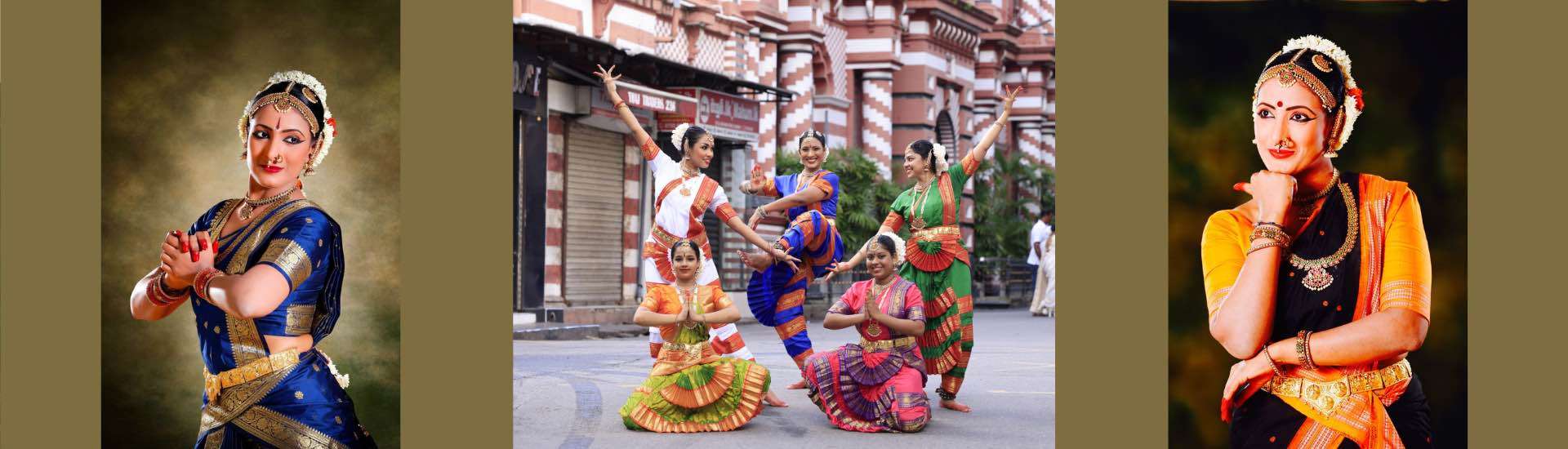
It is a short walk from here to the famous Red Mosque, built in 1909. You can see it from a few sides, but ensure you find the main entrance. Not everyone can get in. There is a government-run Colombo Dutch Museum in Pettah, in Prince Street. It has been a home, an orphanage, and barracks, was closed for years, and then reopened as a museum, but you cannot always assume it will be open or that the information given online is accurate. I have tried thrice, a much-used old English word, alive and kicking in Sri Lanka.
The oldest Protestant church still operating in Sri Lanka, Wolvendale, meaning wolves in the dale, dating from 1557, is a must to visit. You can actually join services on Sunday. We did the English version with about fourteen others. It is sad to see such an amazing building deteriorating. The history, via the tombstones, is quite interesting. Check opening times. Normally, we unravel the chain on the side gate to get in. Sometimes the caretaker on duty is having a shower or is slightly deaf.
Pettah has rows of massive covered market structures in Victorian English style. Stalls are packed in, as are the people. There are rumoured to be over five hundred shops and perhaps double that number of stalls in the market. They say anything, and everything can be found here in Pettah. It is also likely cheaper than anywhere else on the island. This includes many eating places.
There is a dodgy pub tour that takes you around the bars and small hotels in the area. The prices of alcohol in some establishments are displayed on large signboards. Only drink arrack or local beer. We started out from the New Colonial Hotel on Olcott Street. For a couple of years, it was the hotspot for jazz in Colombo, but all good things come to an end. You do not have to be aware of the official trading hours for licensed properties, but you may need to exit some places by the back door. One place I don’t recommend visiting in the area is the Floating Market. Unfinished, unattractive and government-run.
We normally end our visits at some basic restaurant, where you get a fake banana leaf on which six different local Indian and Sri Lankan curries are slopped. They repeat this process until you cannot eat any more.
I walk in Pettah regularly. It is an amazing multi-religious and ethnic area. I encourage anyone who hasn’t been or is visiting Colombo to explore some of Pettah.




0 Comments