May 19 2026.
views 172The Art of Investing in Luxury and Building Wardrobes with Legacy
By Gayantha Perera
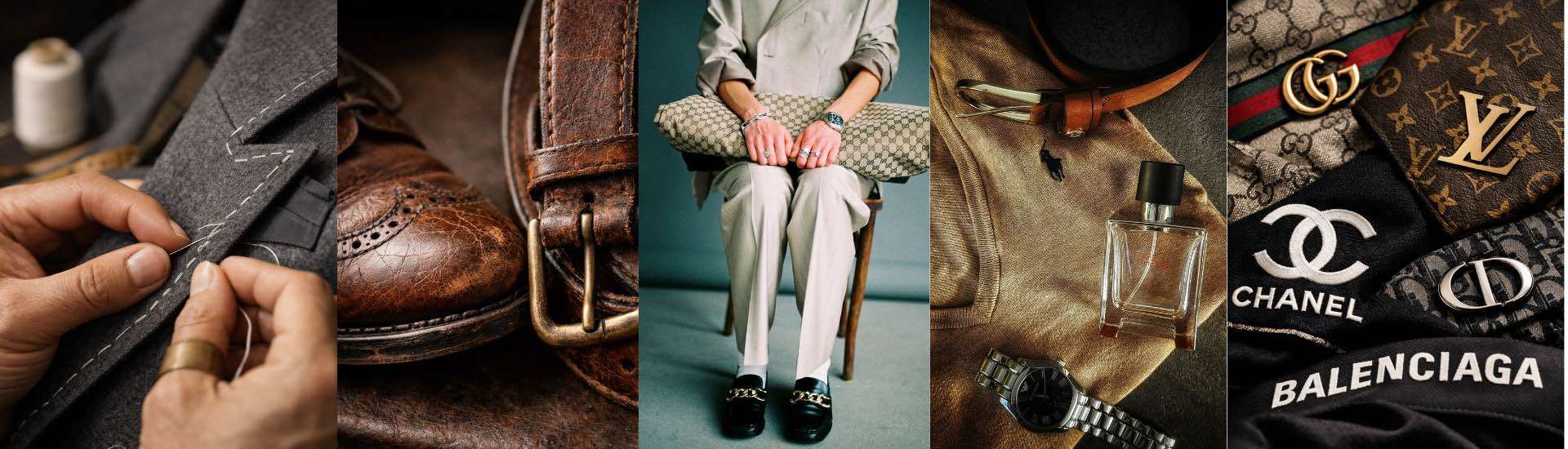
There’s a particular kind of silence that falls in a Colombo room when someone walks in wearing a recognizable aesthetic or logo. It’s not admiration. It’s a quiet calculation. A mental tally of price, origin, and perceived status. For years, this has been the currency of luxury in Sri Lanka: the louder the monogram or print, the more respect it commanded. We’ve built an entire fashion culture on the idea that value is something you can read from ten feet away. But the world has changed. And if we’re honest, Sri Lanka is lagging behind.
Globally, luxury has shifted away from labels and towards literacy: the literacy of craftsmanship, longevity, and personal identity. The most stylish people today aren’t the ones wearing the most expensive brands. They’re the ones who understand what’s worth owning. They’re curators, not consumers. And it’s time Sri Lanka joined that conversation. Because true luxury isn’t about what you buy. It’s about what you keep.
The Sri Lankan Obsession with the Visible
We are a nation that loves the visible. The logo. The brand name. The imported tag. It’s understandable. For decades, access to global fashion was limited, and owning something foreign felt aspirational. But somewhere along the way, aspiration became dependency. We began to equate quality with geography, and identity with branding.
Walk through Colombo today and you’ll see it everywhere: mid-tier international labels treated like heirlooms, fast-fashion pieces paraded as luxury, and wardrobes built around trends that expire faster than the receipts fade. What’s missing is the understanding that luxury is not a performance. It’s a practice. And that practice begins with intention.
Luxury as Legacy, Not Logo
The most stylish wardrobes in the world aren’t overflowing. They’re edited. Considered. Built slowly, piece by piece, with the kind of discipline we rarely associate with fashion. These wardrobes aren’t chasing trends; they’re building legacy.
A well-cut blazer that fits like a second skin.
A pair of shoes that soften and mold to fit with time.
A linen shirt that ages into its own personality.
A dress that is an easy choice today, just as when you bought it.
A piece of Jewellery that carries memory, not marketing.
These are the items that outlive seasons, outlast trends, and outshine logos. They don’t need to announce themselves because their value is felt, not flaunted. And this is where Sri Lanka has an opportunity to shift from consumption to curation.
The Quiet Power of Knowing What to Look For
The irony is that once you learn how to recognize quality, labels and brands become irrelevant. Luxury reveals itself in the details: the density of a stitch, the weight of a fabric, the way a garment drapes rather than clings. You start noticing the finishing on a hem, the alignment of a pattern, the integrity of a button. You begin to understand that hardware matters, that lining matters, that construction matters. And suddenly, the branding — the thing we once treated as gospel — becomes the least interesting part of the garment. This is the literacy Sri Lanka needs. Not more brands. More knowledge.
What We Get Wrong And How We Fix It
We’ve been conditioned to buy for occasions, not for life. To shop for the next wedding, the next party, and based on the next Instagram post we saw. We buy in bursts, not in arcs. And we end up with wardrobes full of clothes that don’t speak to each other, let alone to us.
The fix is deceptively simple: buy fewer things, but buy better. Invest in pieces that work across seasons, across moods, across years. Choose fabrics that breathe in our climate. Choose silhouettes that honor your body, not the trend cycle. Choose craftsmanship over clout.
This is how style is built — not through accumulation, but through intention.
What Sri Lankan Brands Must Understand
If local brands want to be taken seriously in the luxury conversation, they must evolve beyond the “inspired by” aesthetic. Sri Lanka doesn’t need more replicas of global trends. It needs brands that understand the value of heritage, the discipline of construction, and the power of storytelling.
Imagine a Sri Lankan label that treats dumbara weaving the way Italy treats cashmere. Or one that builds a signature silhouette the way Japan built the kimono jacket. Or one that offers repair services, fabric education, and long-term care; the hallmarks of true luxury houses. The potential is enormous. What’s missing is the commitment to craft.
Luxury, at its core, is quiet. It doesn’t need to shout. It doesn’t need to be recognized. It simply needs to be understood. And perhaps that’s the shift Sri Lanka is ready for - a move away from the visible and toward the valuable. Away from the logo and toward the legacy. Away from the performance of style and toward the practice of it. Because the truth is simple: The most stylish people aren’t chasing labels. They’re curating pieces that will outlive them.










0 Comments