Jul 08 2026.
views 15By Rihaab Mowlana
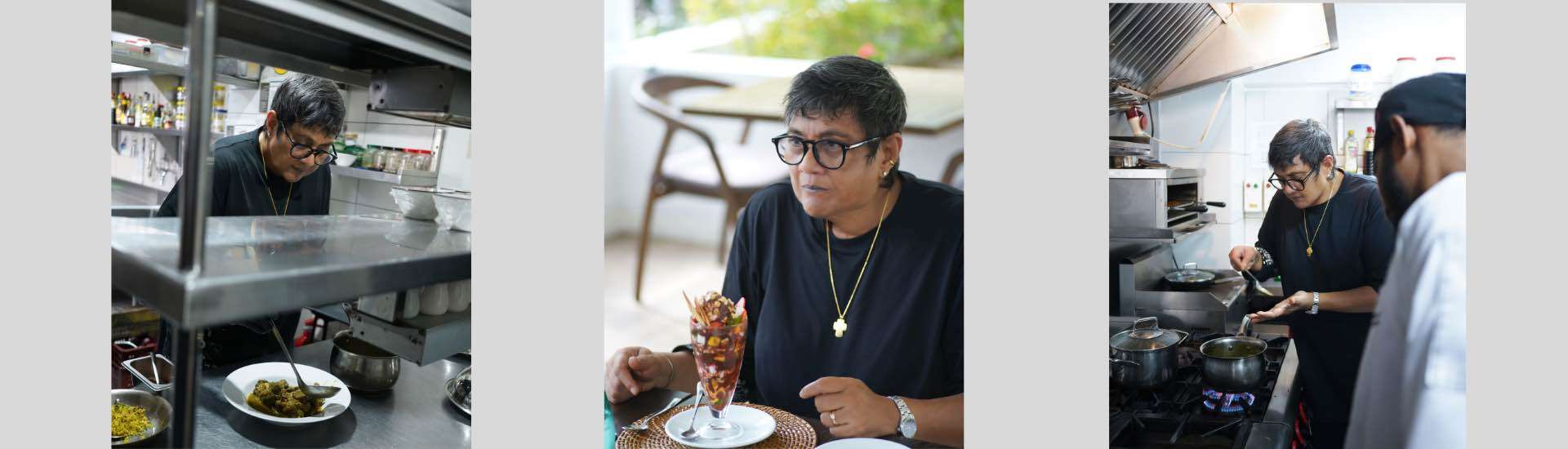
The spaces Taru creates are often the first thing people notice. Thoughtfully designed, deeply rooted in place, and unmistakably Sri Lankan, they have helped redefine boutique hospitality on the island. But speak to the Chairman and CEO of Nyne Hotels about her work, and it quickly becomes clear that design has never been the end goal. It is simply the setting. The real focus has always been people.
Across a career spanning fashion, interiors, hospitality and entrepreneurship, Nayantara "Taru" Fonseka has come to believe that success is measured not only by what you build, but by who you bring along with you. Whether mentoring young creatives, championing local artisans, supporting women in leadership or backing community initiatives, the common thread running through her work is the creation of opportunity.
"I believe experience becomes more meaningful when it is shared. Every chapter of my journey - from fashion and interiors to hospitality and entrepreneurship - has taught me resilience, adaptability, and the importance of human connection. Today, I try to create spaces and opportunities where others can grow, whether that means mentoring young creatives, supporting local suppliers, or giving people the confidence to believe their ideas and talents have value. Empowerment is not about control; it is about opening doors for others and encouraging them to walk through with confidence."
It is a simple philosophy, but one that has shaped countless decisions throughout her career. For Taru, empowerment is not an initiative, a campaign or a corporate value tucked away in a mission statement. It is something far more practical. It is reflected in who gets invited to the table, whose voices are heard, and who is given the confidence to take the next step before they are entirely ready.
"Empowerment in action is giving someone an opportunity before they fully believe they deserve it. It is listening to people, respecting their voice, paying fairly, creating safe working environments, and acknowledging talent regardless of background or status. It is also allowing people to become independent thinkers rather than dependent followers, and I have difficulty with this one."
That way of thinking naturally extends into the world of hospitality. While many businesses now celebrate local sourcing and authenticity as defining trends, Taru's approach was never driven by marketing. For her, creating truly memorable experiences begins with recognising the value that already exists within Sri Lanka itself. The people, traditions and craftsmanship behind a destination matter just as much as the destination.
"Sri Lanka is incredibly rich in talent, craftsmanship, produce, and culture. Supporting local communities has never been a marketing strategy for me; it has always been a responsibility. When we source locally, we are not only preserving livelihoods and traditions, but also creating experiences that feel authentic and deeply connected to place. There is something very powerful about guests experiencing the true flavour, artistry, and spirit of Sri Lanka through the people who live and create here."
That philosophy is evident in everything from the ingredients that find their way onto a plate to the furniture, artwork and objects that fill a room. Every local collaboration adds another layer of meaning, transforming hospitality from a service into a story.
"They bring soul and authenticity to everything we create. A handcrafted piece of furniture, locally grown herbs, traditional recipes, or artwork created by a Sri Lankan artist all add layers of meaning that cannot be manufactured artificially. Travellers and visitors today are searching for connection and sincerity. Local partnerships ensure that their experience carries a story, a human touch, and a sense of belonging."
For Taru, supporting local creatives is not simply about decorating a space with beautiful objects. It is about ensuring Sri Lankan voices remain at the centre of Sri Lanka's own story. In an industry often influenced by international trends, she believes authenticity comes from allowing artists and craftspeople to shape experiences rather than merely contribute to them.
"Because our stories deserve to be seen and heard through our own lens. Sri Lankan artists bring depth, history, emotion, and cultural identity into spaces in a way that no imported object ever can. Art has the ability to preserve heritage while also challenging and inspiring people. When we give artists visibility within hospitality and public spaces, we are saying that creativity matters and that our culture is worthy of celebration on a global stage."
She believes that the shift begins by treating creatives as collaborators from the outset rather than bringing them in once the work is almost complete.
"By involving creatives as collaborators rather than afterthoughts. Artists, designers, musicians, photographers, writers, and craftsmen should be part of the storytelling process from the beginning. Hospitality should feel curated, layered, and emotionally connected to its surroundings. When creatives are genuinely included, spaces become more meaningful, and communities benefit economically and culturally as well."
People remain at the heart of that philosophy, and nowhere is that more evident than in the way Taru speaks about women. While conversations around female leadership have become increasingly visible, she believes genuine empowerment often happens quietly through mentorship, encouragement and creating environments where women are trusted to lead.
"I try to lead by example and create environments where women feel respected, heard, and capable of leadership. Sometimes support comes through employment opportunities, mentorship, flexibility, encouragement, or simply believing in a woman before she believes in herself. Women often carry enormous emotional and societal pressures, so I believe creating situations where they feel valued and empowered is important."
She is equally realistic about the challenges that continue to exist, particularly for women balancing ambition with deeply rooted societal expectations. Yet rather than dwell on those barriers, she prefers to focus on resilience and possibility.
"Many women still struggle with being underestimated, unheard, or expected to constantly prove themselves. Balancing professional ambitions with cultural expectations in a misogynistic society can also be very difficult. In creative industries, women often face the challenge of not being taken seriously enough as business leaders. However, I also believe Sri Lankan women are incredibly resilient, resourceful, and capable, and we are seeing more women step confidently into leadership roles than ever before."
Those experiences have also shaped the advice she now offers to others beginning their own journeys.
"My journey has taught me compassion and perspective. I have experienced both success and disappointment, and those experiences make you more aware of how important encouragement can be. I always remind women that failure is not the opposite of success - giving up is. I try to encourage self-belief, independence, and professionalism while also reminding women to protect their peace, trust their instincts, and never lose their sense of self in the process of building a career."
That same outlook influences the causes she chooses to stand behind. Earlier this year, Taru supported Merak 2026, the initiative that went on to achieve a Guinness World Record for the longest sensory wall. For her, however, the achievement itself was never the most important part.
"What drew me to Merak 2026 was the heart behind the initiative. It was not simply about achieving a world record; it was about inclusion, awareness, creativity, and creating something meaningful for the community. Projects like this remind us that innovation and compassion can coexist beautifully. I believe initiatives that bring people together while shining a light on important social conversations deserve support."
It reflected the same values she looks for whenever deciding where to invest her time, energy and support. "To me, it represented the power of collective effort. It showed how creativity can become a bridge between people from different backgrounds and abilities. Inclusion is not just about inviting people into a space; it is about making them feel genuinely seen and valued within it. Merak 2026 created a platform where art, empathy, and community came together in a very powerful way."
"I look for sincerity, purpose, and long-term impact. I am drawn to initiatives that genuinely uplift people, celebrate creativity, preserve culture, or create opportunities for those who may otherwise not have access to them. Passion is also very important to me. When people are deeply committed to what they are doing, it becomes contagious."
For someone whose work is so often associated with places, Taru's vision for the future is ultimately centred on people. She hopes to see more Sri Lankan artists recognised, more entrepreneurs encouraged, more women stepping confidently into leadership, and more communities strengthened through collaboration. If the spaces she creates leave a lasting impression, it is because of the lives and stories they continue to celebrate.
"I hope my work continues to create opportunities, inspire confidence, and encourage people to think creatively and courageously. I would like to see more Sri Lankan artists, suppliers, entrepreneurs, and women recognised not only locally but internationally. Ultimately, I hope the spaces and projects I create leave people feeling inspired, connected, and reminded that kindness, creativity, and perseverance still matter deeply in the world today."






0 Comments