Feb 10 2026.
views 145By Tina Edward Gunawardhana
The HSBC Ceylon Literary & Arts Festival (CLAF) has, since its inception, positioned itself as far more than a cultural showcase. At its core lies a clear and unwavering mission: to nurture creative talent, stem the tide of brain drain, and create meaningful, sustainable opportunities for Sri Lankans working across the arts. Now in its third edition, the festival continues to build confidence in the nation’s creative output while amplifying Sri Lanka’s cultural voice on the global stage.
Remaining faithful to its founding purpose, CLAF 2026 presents Sri Lanka’s literature, visual arts, music, theatre, and film as instruments of soft power—tools that articulate identity, resilience, and imagination beyond borders. In doing so, the festival not only asks “why Sri Lanka?” but answers it through lived creativity, intellectual depth, and artistic excellence.
A cornerstone of this vision is the Art Festival, held for the second consecutive year in association with the John Keells Foundation (JKF), the Corporate Social Responsibility entity of the John Keells Group. This year’s exhibition, themed “The Resilient Isle,” offers a layered and contemplative exploration of Sri Lanka’s contemporary condition through visual art.
Set against the elegant backdrop of the Imperial Court, Cinnamon Lakeside, the exhibition will be open to the public with free entry on 13, 14 and 15 February, from 9.30am to 6.00pm, inviting audiences to engage deeply with works that reflect endurance, adaptation, and renewal.
Curated by Kasun Jayamanne, The Resilient Isle moves away from spectacle and towards subtlety. The exhibition traces how recovery unfolds not through grand gestures, but through everyday acts—communities rebuilding, knowledge carried forward, and cultural fragments reassembled into new forms. Rooted in land, lived experience, and shifting social realities, the works collectively present an island that continually reshapes itself amid cycles of disruption and regeneration.
“Resilience here is quiet but vital,” Jayamanne notes. “It is a steady process of reflection, adaptation, and collective effort. The exhibition presents Sri Lanka’s ability to recover, reimagine, and assert its identity through deeply human processes of renewal.”
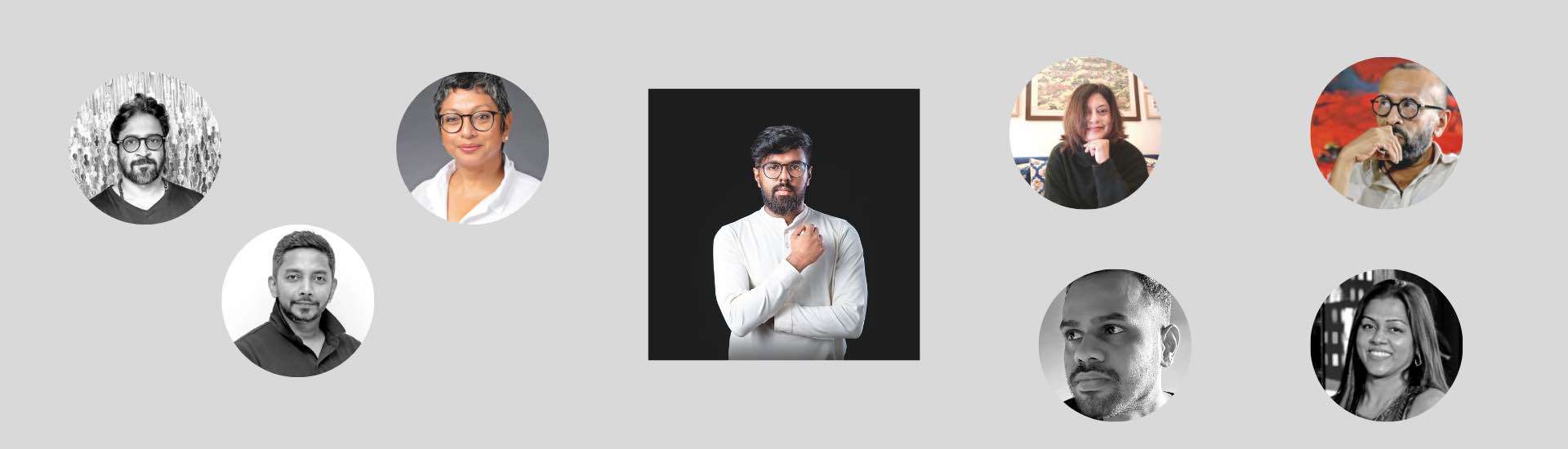
The exhibition brings together the work of 19 distinguished Sri Lankan artists, each contributing a distinct visual language to this shared narrative. Participating artists include:
Anoli Perera, Anup Vega, Ayesha Dharmathilake, Bandu Manamperi, Bilaal Raji Saheed, Catharina Danial, Charith Wijesundara, Chathurika Jayani, Gayan Prageeth, Ismeth Raheem, J.C. Rathnayake, Jagath Weerasinghe, Jezima Mohamed, Kesara Ratnavibhushana, Kingsley Gunatillake, Nilmini Bandara, Nuwan Nalaka, Roshini Fernando, and Vajira Gunawardena.
Together, their works form a multifaceted visual dialogue that reflects Sri Lanka’s social, political, and environmental realities, while resisting singular narratives.
Among them, Ayesha Dharmathilake, a Colombo-based visual artist and full-time art teacher, brings a meticulous, meditative approach rooted in miniature painting traditions. Her work explores memory, landscape, and resilience, reinterpreting religiously coded architectural structures through contemporary visual narratives. By slowing down the act of seeing, Dharmathilake invites reflection on how personal and collective histories shape identity and place.
Veteran artist Kingsley Gunatillake, whose career spans over four decades, contributes a practice that encompasses painting, sculpture, illustration, installation, and book arts. With more than 30 solo exhibitions locally and internationally, and works held in prestigious collections including the Sri Lankan Presidential Collection, Gunatillake’s presence anchors the exhibition in a lineage of artistic excellence shaped by both tradition and innovation.
Bandu Manamperi, a founding member and Vice Chairman of the Theertha International Artists’ Collective, brings a practice grounded in performance, drawing, and installation. His work reflects the emotional and psychological aftermath of political conflict, translating deeply personal experiences into universally resonant visual forms.
Architectural designer and visual artist Bilaal Raji Saheed, whose academic training includes the Royal College of Art and the University of Hong Kong, navigates themes of politics, philosophy, technology, and spirituality. Working across disciplines and geographies, his practice reflects a contemporary Sri Lankan perspective shaped by global engagement.
From the north of the island, Catharina Danial, born in Jaffna, draws deeply from memory and nostalgia. Her work documents the textures of pre- and post-war life, capturing the architectural heritage, domestic objects, rituals, and rhythms that define her sense of home.
Environmental and political consciousness runs strongly through the work of Gayan Prageeth, whose intricate paintings and installations critique Sri Lanka’s socio-political landscape while situating it within a broader global context of conflict and division.
Speaking on the partnership, Carmeline Jayasuriya, Head of CSR at the John Keells Group, said:
“JKF is delighted to partner with CLAF as sponsor of the Art Festival for the second consecutive year. This collaboration reflects our commitment to supporting Sri Lanka’s creative industries as pathways to sustainable livelihoods and social cohesion, within our CSR vision of Empowering the Nation for Tomorrow. By spotlighting the immense talent of these 19 Sri Lankan artists and aligning with the theme ‘Resilient Isle’, we see art as a powerful means of fostering dialogue, developing social consciousness, and building cohesion across diverse communities.”
As the HSBC Ceylon Literary & Arts Festival 2026 unfolds, The Resilient Isle stands as a quiet yet powerful testament to Sri Lanka’s enduring creative spirit—one that continues to adapt, remember, and imagine its way forward.






0 Comments