Dec 02 2025.
views 346The emotional toll Sri Lankans are quietly carrying through the storms
By Rihaab Mowlana
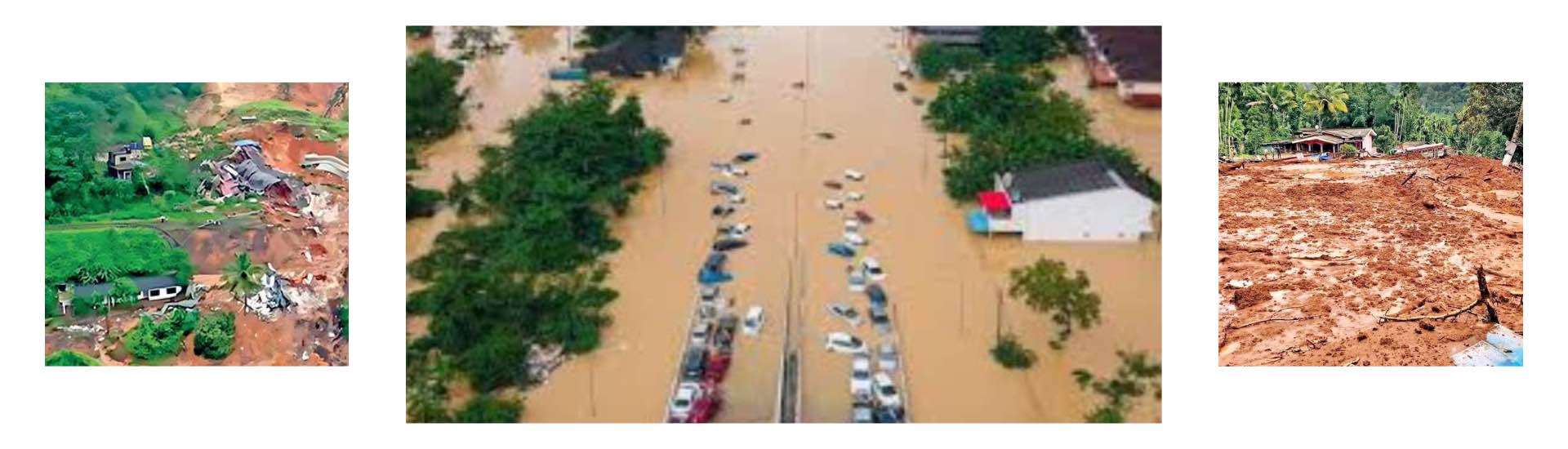
The past week in Sri Lanka unfolded in a way that left many people feeling slightly off-centre, even if they weren’t directly affected. The floods came quickly in some places, the landslides even faster in others, and everything in between was filled with alerts that shifted by the hour. Across districts, families found themselves doing the same quiet rituals: checking the sky, checking the phones, checking in with each other. There was chaos in parts of the country, yes, but there was also something more subtle everywhere else; a weight that settled into homes and routines, a reminder of how fragile the sense of normal can be.
When disasters happen, we tend to focus on what we can see: the waterlines on walls, the cracked earth, the broken furniture carried out to dry. But the past week made something else visible too, if you looked closely. People weren’t just dealing with rising water or unstable ground. They were dealing with the emotional imprint these disruptions leave behind, the kind that doesn’t photograph well but shapes lives long after the physical damage is repaired.
Living With a Nervous System on Alert
One of the clearest signs of this emotional impact is how people respond to rain itself. For communities that have faced floods more than once, weather is no longer just weather. A drizzle becomes a question. A heavy downpour makes parents move through the house with a little more purpose. Even the distant sound of thunder sends a ripple through the room. It’s not panic. It’s a kind of caution that settles in after surviving things once.
Years of unpredictable monsoons have trained people to listen differently. The body remembers what it had to survive. The mind anticipates what it hopes won’t happen again. This is why so many households stayed half-awake through the night. Why children watched adults more closely. Why even those in unaffected areas felt a subtle unease they struggled to articulate.
This kind of vigilance is exhausting, but it is also human. Disasters don’t disappear from the mind simply because the rain moves on.
The Losses That Carry Memory
Alongside the structural damage came another kind of loss that is harder to quantify. Families spoke about exercise books floating in water, albums stuck together, children’s paintings smeared beyond recognition, letters and documents that softened into pulp. None of these things cost much, yet they carried years of life. Losing them can feel strangely disorienting, as though the story of a home has been interrupted.
These losses rarely make it to official reports. They don’t affect statistics. But they alter something personal. When landslides swept through certain areas, the impact was even more sudden. The earth moved without warning, and the shock of that moment stayed lodged in people’s bodies - the sound, the speed, the disbelief. Homes can be rebuilt. Safety takes much longer to return.
There is a grief here that is easy to overlook because it is quiet. People push through the practical tasks, but the emotional processing comes later, in fragments.
The Helpers Who Keep Going
While families were navigating this upheaval, volunteers stepped forward in every district. They coordinated drop-offs, waded through water, lifted belongings to higher ground and did rounds long after they were tired. Their work was essential, but it also pulled them into the emotional core of the disaster. They saw homes stripped down to what could be saved. They listened to people recount the same fear in different words. They reassured children who didn’t fully understand what was happening.
The weight of witnessing all this is something volunteers carry quietly. Disaster psychology calls it secondary trauma, but what it often looks like is someone sitting in their car for a few minutes before driving home, trying to release what they absorbed that day. Helpers rarely ask for space, yet they need it as much as anyone else. They are part of the story, too.
Communities That Hold Each Other
Despite the tension, something deeply grounding emerged over the week: the instinct to care for one another. Neighbours checked on each other in a way they hadn’t in months. People opened their homes before being asked. Religious spaces became shelter and comfort without waiting for instruction. Strangers coordinated rescues and transport. Foreigners living here offered help quietly, clearly understanding the emotional weight of the moment.
Sri Lanka has always moved like this in crisis – not with loud declarations, but with practical, steady generosity. It doesn’t erase the fear or frustration, but it creates a sense of shared resilience that matters more than we often realise. It gives people a way to hold on, even in uncertainty.
What Recovery Really Looks Like
Now, as the weather eases and communities inch back towards routine, it’s easy to assume the worst has passed. But emotional recovery rarely follows the same timeline as physical recovery. People go back to work while still feeling unsettled. Children return to school while carrying new fears they don’t know how to name. Entire neighbourhoods carry a kind of collective tiredness that doesn’t show up in photographs.
Healing after a disaster is quiet work. It happens in small ways: the first night someone sleeps deeply again, the first time a child doesn’t look up anxiously at thunder, the first moment a family can finally put the emergency bags away. For some, it comes quickly. For others, the unease lingers until enough time has passed without incident.
None of this means people are weak or overly emotional. It simply means they’ve lived through something that unsettled the ground beneath them in more ways than one.
What We Don’t See Matters Too
The physical damage from floods and landslides is visible and immediate. It fills newsfeeds, drives donation efforts and mobilises volunteers. But the emotional impact moves more quietly. It shapes how people sleep, how they react to sound, how they think about home, and how they carry themselves through the day. This is the flood we don’t see. The landslide without debris. The weight people bring with them into the week after, and the week after that.
Acknowledging this doesn’t solve everything. But it permits communities to recognise what they’re feeling instead of burying it. And maybe that’s where recovery really begins, in understanding that what people carry inside is part of the story too, and deserves just as much care as everything else that was lost and rebuilt.









0 Comments