
Mar 25 2026.
views 32This International Women’s Day 2026, we move beyond celebration and into documentation. Women Who Did It Anyway is a curated article series featuring women who progressed not because conditions were perfect, but because they chose to move forward anyway.
Across industries, from entrepreneurship to corporate leadership, these women navigated systems, expectations, resistance, and trade-offs. Their stories are not motivational slogans. They are lived decisions. This series brings those decisions to light, in their own words.
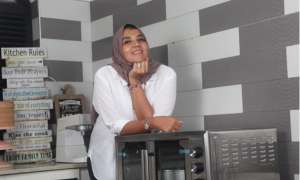
Aysha Aqeedah
Director, Founder of BIYLANKA and STUDIOBIY
1. There is usually a moment when continuing feels harder than stopping. What was that moment for you, and what made you go ahead anyway?
The moment when continuing felt harder than stopping came right after I pivoted from home baking to opening my supply store. I’d poured everything into spotting that market gap for cake tools, sourcing them was a nightmare for me and so many others, but launching the store meant stretching myself impossibly thin.
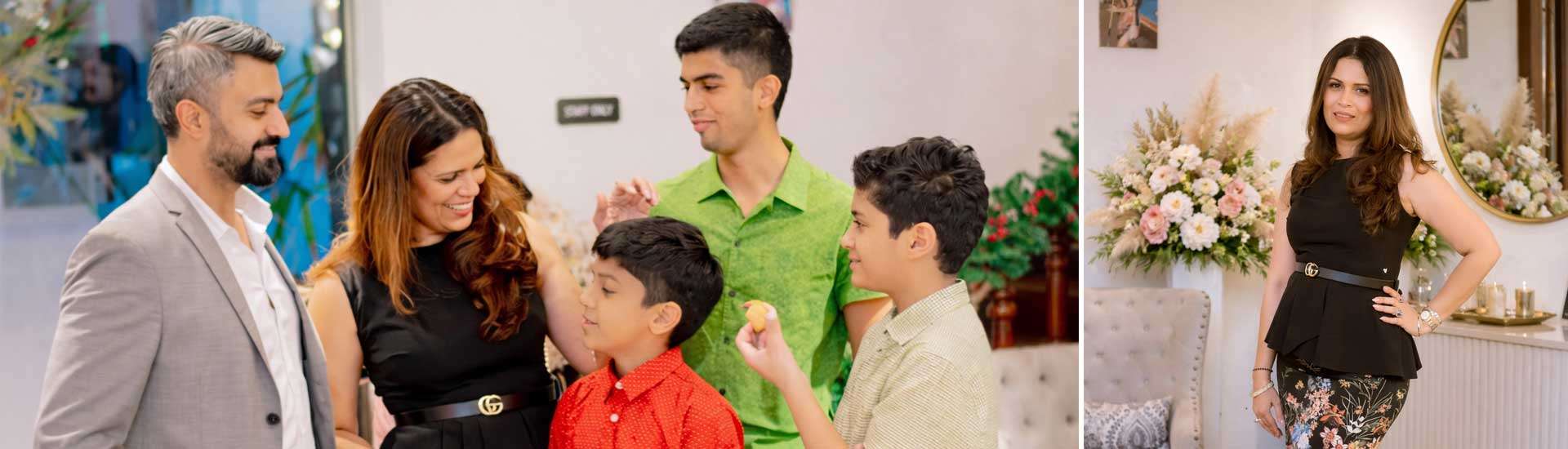
My kids were still little, just two years apart, and I was already juggling endless orders from the home bakery while refusing to drop the ball as a mom. Emotionally, it hit hard; I felt like I was failing at everything: business, motherhood, and self-care. Stopping would’ve been the easy out: go back to packed daily orders, safe and familiar.
But what made me push ahead anyway was seeing my children’s excitement. They’d beam with pride, telling everyone, “My mommy’s a baker!” That pure joy reminded me I was building something bigger, not just for me, but to show them (and other women) that we can create magic amid the chaos. Plus, I knew that gap in the market wasn’t going away; if I didn’t fill it, someone else would. Little by little, that grit turned the supply store into a full cake studio, hosting international artists right here in Sri Lanka. It wasn’t glamorous at first, but proving to myself I could do it anyway? That’s the fire that keeps me going.
2. Not all obstacles are loud. Some are structural, cultural, or quietly exhausting. What kind of resistance did you face that people may not immediately see?
Not all obstacles scream for attention; some whisper through cultural expectations, supply chain frustrations, and the quiet grind of balancing motherhood with ambition in a place like Sri Lanka. One big unseen resistance was the cultural norm that women’s success should stay “home-bound”—as a mom of two young kids, people subtly questioned why I wasn’t content with the flourishing home bakery. “Why risk a physical store? Focus on the kids,” they’d say, implying entrepreneurship was for men or childless women. It wasn’t outright opposition, but that constant undercurrent made me doubt my path, especially when I was up at night managing orders while soothing fevers.
Structurally, sourcing cake tools was a nightmare, with no reliable local suppliers, which meant endless, exhausting imports with sky-high duties, delays, and quality issues that ate into margins. Quietly exhausting was the mom guilt layered on top: every late-night inventory run or artist-hosting event pulled me from bedtime stories. People see the packed orders or international artists now, but they miss those invisible tolls—the mental load of proving women can scale beyond the kitchen without apology.
3. You didn’t just progress, you navigated systems along the way. What did you have to learn, unlearn, or negotiate to move forward?
Navigating systems as a woman entrepreneur in Sri Lanka meant learning, unlearning, and negotiating at every turn, from informal home baking to a full studio hosting international artists. First, I had to learn the gritty business systems: import regulations for cake tools were a maze of duties, customs delays, and unreliable suppliers, so I dove into logistics, negotiating directly with overseas vendors for better rates and faster shipping. I also picked up financial savvy tracking margins obsessively since home-bakery “packed orders” didn’t translate to scalable profits without proper accounting.
What I had to unlearn was the cultural script that moms should prioritize family over ambition; I let go of “perfect mother” guilt, realizing my kids thrived seeing me chase dreams. Early on, I unlearned playing small—scaling meant saying no to every order and yes to strategic gaps like the tool supply shortage.
Negotiating was key: with family, I bartered flexible help for their time and with artists, I haggled partnerships to bring global talent here affordably. Each step built resilience—today, our studio’s success proves that navigating these systems unlocks doors for other women too.
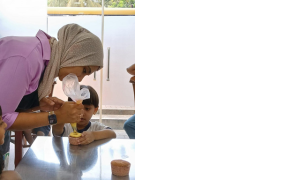
4. Doing it anyway often comes with trade-offs, personal, emotional, or professional. What did this journey cost you, and what made it worth paying that price?
Doing it anyway came with steep trade-offs—personal time, emotional bandwidth, and professional stability—but each one was a deliberate price for growth. Personally, it cost me countless bedtime stories, little outings, and small treats. Emotionally, the toll was burnout and self-doubt—stretching from a safe, flourishing home bakery to a full studio felt like constant failure at first, with tears over unreliable suppliers and side-eyes. Professionally, I sacrificed the predictable “packed orders” rhythm for financial uncertainty, dipping into savings before profits kicked in.
What made it worth every bit of irreplaceable gains. Teaching me resilience over perfection. Professionally, filling that cake tools gap built a thriving studio bringing international talent to Sri Lanka, creating jobs and community. Emotionally, it forged unbreakable grit; I traded short-term comfort for long-term empowerment, proving to myself (and other moms) we can scale dreams without apology. The cost was high, but the legacy—for my family, business, and women here—is priceless.
5. Has your definition of success changed since you began this journey? What does success look like to you now?
Yes, my definition of success has transformed completely since those early days as an overwhelmed home baker and mom. Back then, success meant packed orders every day—a flourishing business that kept the kitchen buzzing. It was survival: proving I could juggle motherhood without failing.
Now, success looks like impact and balance—our cake studio isn’t just profitable; it’s a hub hosting international artists in Sri Lanka, creating jobs for other women, and filling that tools gap I once struggled with. It’s my kids, now older, watching me negotiate imports and partnerships, learning they can chase big dreams too. Success is sustainability: time for family without guilt, community over chaos, and empowering other moms to scale beyond home kitchens. It’s not the loud wins, but the quiet legacy of “doing it anyway” that ripples out.
6. If another woman is standing at the edge of a difficult decision today, what would you want her to know, not as advice, but as truth?
If you’re standing at the edge of that difficult decision today, know this truth: the voice whispering “stop, it’s too much” is lying—it’s fear dressed as wisdom, and it shrinks you back to safe, small spaces like I almost did with my home bakery. That market gap only you see, the quiet fire to build beyond the kitchen—those are the real signals, even when suppliers fail, family questions, and nights blur into exhaustion. The cost will sting self-doubt, financial dips, but on the other side is a version of you hosting international artists in Sri Lanka, proving to your community that moms can reshape systems. You won’t feel ready, but you’ll do it anyway, and that messy courage becomes your legacy. You’ve already survived harder; this edge is where your bigness begins.
Women Who Did It Anyway
Curated by FireCircle by G
International Women’s Day 2026
FireCircle by G
071 192 5004






0 Comments