Jan 15 2026.
views 626By Tina Edward Gunawardhana
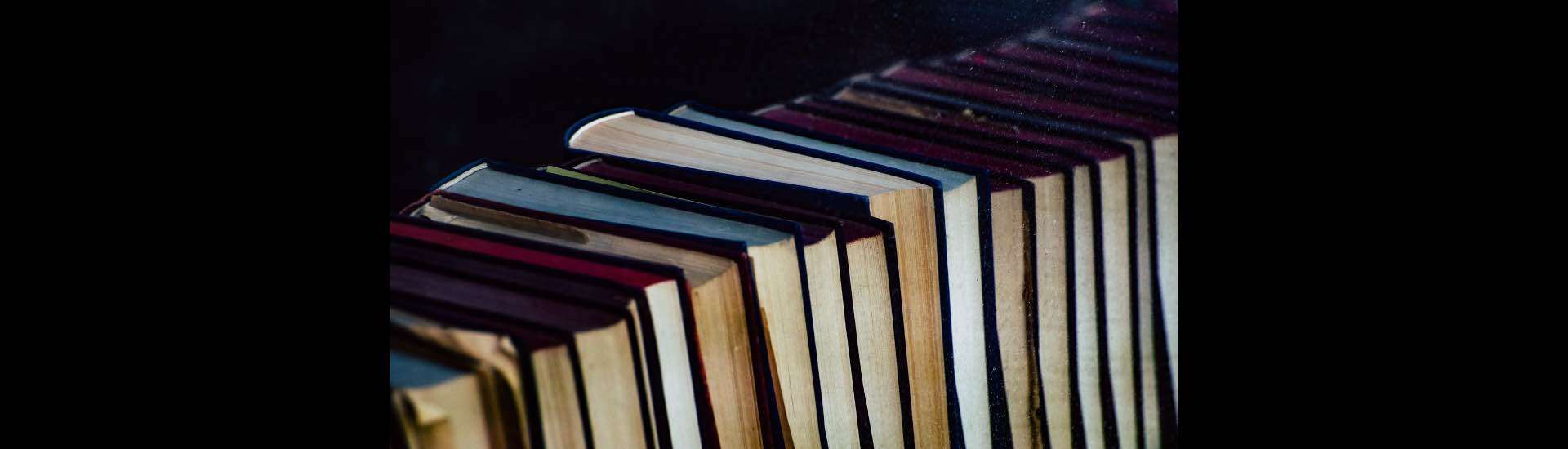
At a time when attention is fragmented and discourse increasingly compressed, the need for spaces that allow ideas to unfold thoughtfully has never been greater. It is within this landscape that the HSBC Ceylon Literary and Arts Festival returns for its third edition, standing as the only festival dedicated to satiating Sri Lanka’s growing appetite for all things literary.
Taking place from 13th to 15th February 2026 at Cinnamon Lakeside, Colombo, the festival has firmly established itself as a cultural touchstone for readers, writers, and thinkers. Founded by Ajai Vir Singh and Fazeena Rajabdeen, the festival was envisioned as an inclusive platform where stories, scholarship, and conversation could intersect across borders, disciplines, and generations. Past editions have demonstrated this commitment clearly, bringing together diverse voices while ensuring local narratives remain central to the conversation.
This year, the festival’s growing stature is further reinforced by HSBC coming on board as title sponsor, reaffirming its commitment to promoting culture, literature, and the arts in Sri Lanka. The partnership signals not only confidence in the festival’s vision but also a broader recognition of the role literature plays in shaping critical thought and cultural dialogue.
Among the headline conversations is a much-anticipated session featuring Julia Quinn, the Bridgerton author and New York Times bestselling novelist, who joins Ashok Ferrey to explore how romance can be both deliciously entertaining and quietly subversive—proving that popular fiction can challenge conventions while captivating millions of readers worldwide.
Also taking centre stage, Shyam Selvadurai joins Karissa Chen to explore who gets to imagine “paradise”, examining war, queerness, belonging, and fractured histories through the lens of empathy and storytelling. Poet Arundhathi Subramaniam appears in conversation with Ameena Hussein, drawing from The Gallery of Upside-Down Women and Wild Women to explore refusal as a radical act and to celebrate desire, devotion, and untamed selfhood.
Classical thought and its enduring relevance come into focus as Edith Hall draws on Facing Down the Furies, Aristotle’s Way, and The Return of Ulysses to explore why ancient Greek stories continue to matter today. In conversation with Angeline Ondaatjie, Hall reveals how Greek tragedy speaks powerfully to grief and resilience, how Aristotle offers guidance on living well, and how ancient narratives continue to shape the stories that captivate us.
Winner of the BBC National Short Story Award, Lucy Caldwell joins Savithri Rodrigo to discuss memory, identity, and trauma through the short story form. Often set in Belfast, Caldwell’s work captures the fragile intensity of childhood and the ways early experiences shape who we become. The programme also celebrates nature, imagination, and the porous boundaries between genres.
Helen Macdonald traces her journey from H Is for Hawk and Vesper Flights to her speculative novel Prophet, exploring how birds, flight, and migration become metaphors for freedom, exile, and return. Joining Sunela Jayawardene, Macdonald reflects on why we turn to landscapes, skies, and animals as mirrors during our most vulnerable moments, and how the imagination soars across genres and boundaries.
Food, memory, and wellbeing take centre stage as leading nutritionist Rujuta Diwekar explores how the meals of our grandmothers hold the key to real health. In conversation with Mita Kapur, she draws on Indian and Sri Lankan food traditions—local grains, seasonal vegetables, and slow-cooked dishes—to show how eating in tune with the land outlasts fad diets and keeps tradition alive.
The programme ventures beyond the literary page into performance and lived experience. Kalki Koechlin blends excerpts, anecdotes, and theatrical storytelling with passages from The Elephant in the Womb in a performance that captures the rollercoaster of pregnancy and parenting—embracing the awkward, the funny, and the deeply moving.
Sport and society also find space within the festival’s wide-ranging conversations. Rahul Bose—actor, director, philanthropist, and one of India’s first international rugby players—joins Shanaka Amarasinghe to trace rugby’s journey in India, from its colonial roots to its evolving place in the country’s sporting identity, reflecting on inclusion, access, and growth.
Panel discussions addressing contemporary realities remain central. Sessions such as “Clickbait vs Craft” explore how journalists maintain balance and integrity within an increasingly loud and ever-shifting media landscape, reinforcing the festival’s relevance in the digital age.
Importantly, the HSBC Ceylon Literary and Arts Festival continues to nurture future readers through a dedicated children’s programme, ensuring young minds are introduced early to the joy of books, imagination, and storytelling.
The 2026 programme reflects the festival’s expanding global reach. Among the international voices is Adrien Krause, a radio journalist from the French-speaking region of Switzerland whose work blends travel, storytelling, and cultural insight. A devoted admirer of Swiss travel writer Nicolas Bouvier, Krause retraced Bouvier’s path at just twenty years old, cycling across the Balkans, Turkey, Iran, and Central Asia. With a background in anthropology and a passion for travel literature and history, his work explores the journeys that connect people and places.
The festival is curated by Mita Kapur, whose distinguished career includes producing the Mountain Echoes – Bhutan Festival (2010–2019) and serving as literary director of the JCB Prize for Literature (2020–2024). Author of The F-Word and editor of Chillies and Porridge: Writing Food, Kapur brings award-winning expertise and a visionary approach to shaping South Asian literary conversations.
Now in its third edition, the HSBC Ceylon Literary and Arts Festival reflects both maturity and momentum. Inclusive by design and ambitious in scope, it has become more than an event—it is a meeting place for ideas. As the doors open once more at Cinnamon Lakeside, the festival invites Sri Lanka’s literary community to gather, engage, and be inspired, reaffirming the enduring power of words in shaping culture and connection.




0 Comments