Aug 04 2026.
views 102By Hafsa Rizvi
Ask almost any parent what they worry about, and somewhere on the list, often near the top, sits the same quiet guilt. My child is on a screen too much. It has become one of those beliefs nobody really questions anymore. Screens bad, real world good. Less tablet, more childhood. Say it at a school gate or a family dinner, and nobody will argue with you. It has the comfortable feel of common sense.
But that belief, widely shared as it is, may be aimed at the wrong target entirely.
The actual problem was never the glass rectangle itself. It is what families have been handing children through it. An infinite scroll of cartoons with no endpoint. Games engineered by some of the smartest behavioural designers alive, built specifically to be difficult to put down. None of that was ever really about learning or growth. It was about attention, sold back to advertisers, one extra minute at a time. A screen, in other words, is simply a delivery system. The real question is what is being delivered, and who decided to put it there.
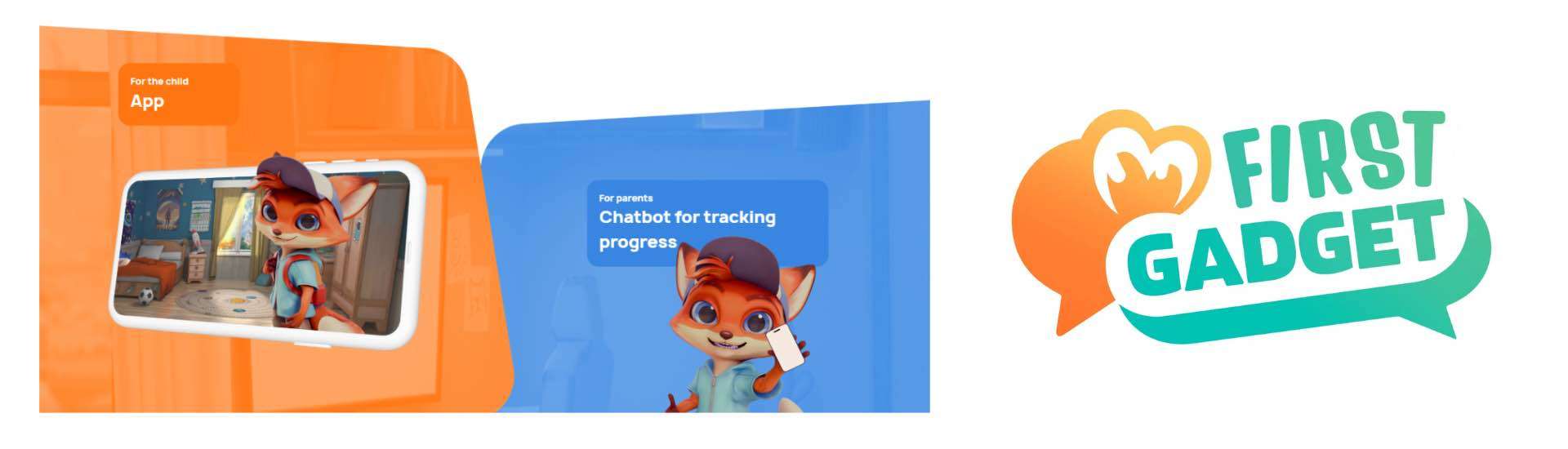
This is the myth an app called First Gadget is quietly trying to dismantle. Not remove the screen. Something far more interesting. Change what happens on it.
The Quiet Redesign
Most children's apps are built around a single, unspoken goal: keep the child engaged for as long as possible. More minutes means more data, more ad views, more revenue. Success, in that world, is measured in hours kept rather than habits formed. First Gadget, aimed mainly at children between four and ten, openly rejects that model. There are no ads. Mini games run in short five- to ten-minute sessions and then simply stop, regardless of how much the child might want to continue.
By most industry standards, that is a strange business decision. Engagement is usually the entire point. By a parent's standards, though, it might be the most reassuring choice in the entire app, a rare admission that more time on screen was never actually the goal worth chasing.
The tasks themselves are not really about the screen at all. A child might be guided through a hygiene routine, a focus exercise, or a small lesson on emotions, led by a fox character named Kevin, and then nudged back into the real world to actually do the thing. Brush your teeth. Tidy a shelf. Go outside and try it. The screen becomes a brief instruction, not a destination. It opens the door and then quietly steps aside.
Why This Myth Persisted So Long
It is worth asking why "screens are simply bad" became such a comfortable belief in the first place. Partly because it was largely true, for most of the apps actually built for children over the last decade. Partly because it is a far simpler story to tell than the more complicated truth, which is that technology itself is neutral. A hammer can build a house or break a window. What matters entirely is the intention behind its design, and almost nobody asks that question before handing a child a tablet.
First Gadget's quieter claim is that you can build a gamified, rewarding, genuinely fun experience for a child using coins, costumes, and character progression, the same psychological tools every addictive app uses, but aim that machinery toward responsibility and independence instead of pure consumption. Reportedly developed alongside psychologists and parenting specialists, the app is betting that gamification itself was never the villain. It was always just a tool, used carelessly by companies that had little reason to care what happened to a child once the session ended.
The Harder Truth Underneath
There is a more uncomfortable layer to this myth as well, one most screen time debates conveniently skip. Banning or heavily restricting screens does not automatically build a child's independence or sense of responsibility. It mostly just removes one specific irritation for a tired parent in that moment, a short-term relief rather than a long-term fix. The actual skill, learning to manage temptation, complete a task before a reward, and balance fun with responsibility, has to be taught somewhere, by someone, at some point.
If a screen can be the place that quietly teaches that lesson, rather than the place that erodes it, the entire conversation around children and technology changes shape completely. The device stops being the enemy and starts being, almost reluctantly, one of the tools available to solve the very problem it is usually blamed for creating.
What This Really Reveals
Strip away the friendly fox, the coins, and the unlocked costumes, and the deeper myth being challenged is this. Reducing screen time was never really the actual goal parents were chasing. It was always a rough stand-in for something else entirely: the desire for a child who can self-regulate, follow through on small responsibilities, and eventually choose balance on their own, without anyone standing over them with a timer or a list of rules.
If that is genuinely the goal, then the answer was never going to be fewer screens. It was always going to be better ones, built by people willing to ask a far more useful question than "how long," which is simply this.
What, exactly, is a child doing while they are on it? Everything else, in the end, is just noise around that one real question.












0 Comments