Dec 16 2025.
views 1211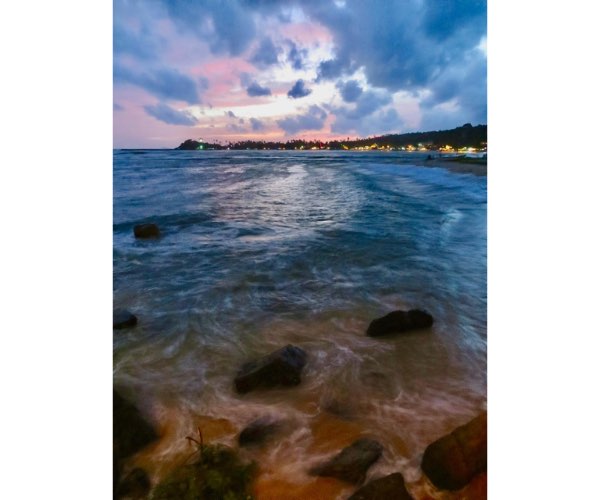



Text and Pics By Rihaab Mowlana
I thought I knew Unawatuna well. I had been there enough times to believe I had already formed an opinion, enough visits for it to slip from an active destination into something comfortably familiar, a place stored in memory rather than curiosity.
Unawatuna doesn’t announce itself anymore, and maybe it never needed to. It waits instead, calm and assured, for you to slow down enough to really notice it again. What I found was not a place trying to reinvent itself, but one gently reminding you why it mattered in the first place.
For many Sri Lankans, Unawatuna exists as a feeling rather than a plan. It’s the beach you went to on the weekends. The one that didn’t require complicated logistics or anxious monitoring of the sea. Over time, as newer places came into fashion and louder destinations grabbed attention, Unawatuna became something we assumed would always be there, reliable, familiar, slightly taken for granted. Spending time there again made me realise how much value there is in that reliability.
A Place That Lets You Relax
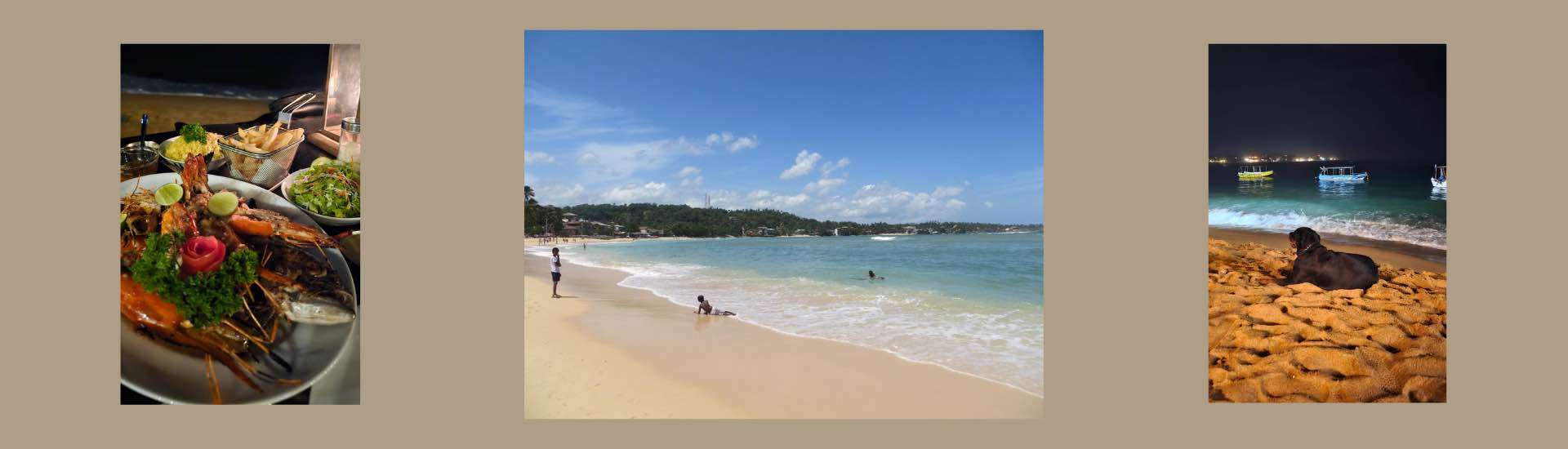
The first thing you notice is how easy everything feels. The bay is calm, protected, and inviting in a way that immediately puts you at ease. Swimming here doesn’t feel like a calculated decision. You don’t stand at the shoreline analysing waves or checking who else is braving the water. People simply walk in. Children splash close to shore. Parents sit back rather than hover. The sea does not demand vigilance. It offers reassurance.
That sense of safety carries beyond the water. The beach area is removed from heavy traffic, which changes everything. Walking feels natural. Kids run ahead without panic. Evenings stretch longer because no one feels rushed to retreat indoors. You realise how rare this is only when you’ve been conditioned elsewhere to stay alert, to keep checking, to be careful at every step.
Unawatuna allows you to relax without effort, and that might be its greatest luxury.
Why Unawatuna Still Works for Families
As the days went by, I started noticing the smaller rhythms. Morning walkers greeting each other. Familiar faces reappearing at the same times each day. People lingering longer than planned because nothing was pushing them to leave. Time behaves differently here, expanding in a way that feels indulgent rather than inefficient.
This is where Unawatuna quietly wins. It does not overwhelm you with things to do, but it never leaves you bored. You can be active if you want to be, exploring, moving, filling your day. Or you can do very little and still feel like the day was well spent. That balance makes it work for families, couples, solo travellers, and multi-generational groups all at once.
For parents especially, there is something deeply reassuring about a place where children can move freely, where the environment itself feels cooperative rather than risky, and where rest doesn’t feel earned; it feels natural.
Where the Evenings Come Alive
Evenings in Unawatuna have a pulse. As the sun goes down, the town shifts gears, music drifts through the air, lights come on, and people spill out into walkable streets and beachside paths. Groups move easily from one spot to another, conversations overlap, laughter carries, and the energy feels social rather than staged.
It’s lively without being overwhelming. The kind of nightlife where you don’t need a strict plan, just a direction and a bit of time. You can be out late and still feel comfortable. You can enjoy the buzz and still walk back without hesitation. It’s the rare balance of feeling alive without feeling chaotic, which makes it appealing not just to young travellers, but to anyone who enjoys being out without being on edge.
More Than Bars and Cafés
One of the biggest surprises about Unawatuna is how easily a day fills itself. This isn’t a place where you swim, eat, and then wait for evening. The options are layered, close by, and varied enough that every day can feel slightly different, even if you don’t plan much at all.
The beaches alone change the mood of a trip. Unawatuna Beach is calm and familiar, the kind of place you instinctively return to for an easy swim or a long, lazy afternoon. Jungle Beach offers something quieter and more tucked away, where the greenery feels closer, and the pace slows naturally. Mihiripenna stretches things out even further, open, expansive, and ideal for long walks when you want space and air. Moving between them shifts the rhythm of your day without ever feeling like effort.
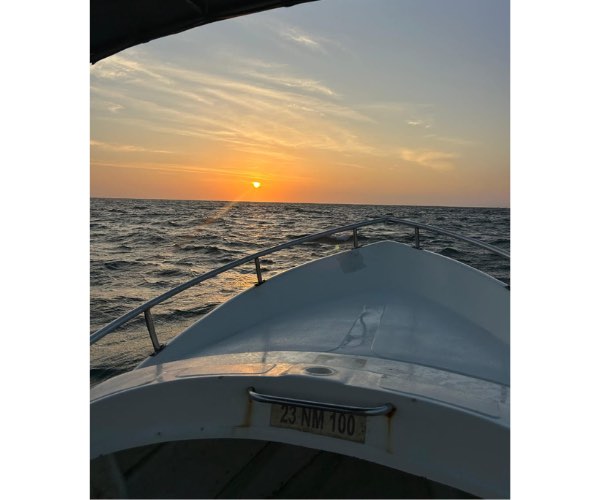
Out on the water, Unawatuna offers a range of activities that feel accessible rather than intimidating, from surfing and diving to paddleboarding and snorkelling. I joined a sunset boat tour with modest expectations and came away genuinely impressed. The sea was slightly rougher that evening, but the experience never felt uncomfortable. The crew were calm, attentive, and reassuring throughout, managing safety with such ease that you were free to simply enjoy the changing sky and the feeling of being out at sea.
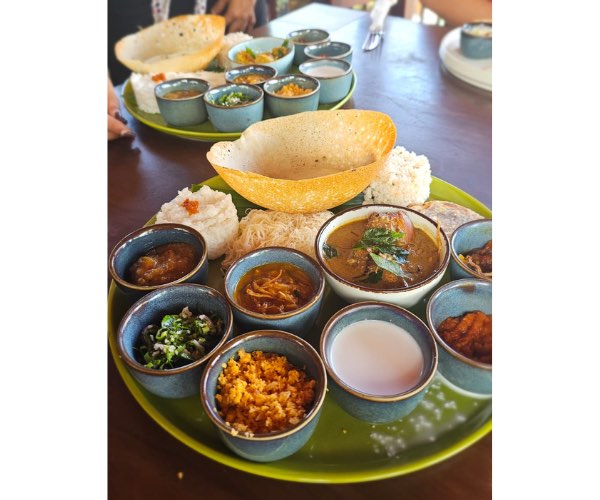
Some of the most memorable moments came from trying something new. A cooking class turned out to be far more enjoyable than I anticipated, relaxed, hands-on, and surprisingly fun. Learning techniques, tasting as we went, and sitting down to eat what we’d made created a sense of satisfaction that felt both social and grounding.
A visit to the turtle hatchery added a different kind of richness to the trip. It was engaging and informative without being heavy, offering insight into the coastline and the care that goes into protecting it. It’s the sort of experience that works just as well for curious adults as it does for children, quietly educational without feeling like an obligation.
Unawatuna also makes culture feel close and unforced. Galle Fort is nearby enough to feel like a natural part of your stay rather than a separate journey, adding history and texture to the experience. The Japanese Peace Pagoda offers a pause from the beach rhythm altogether, a place to slow down, take in the view, and recalibrate.
One afternoon, I visited a handloom factory for the first time and walked away genuinely changed by it. Seeing the process up close, the time, physical labour, and patience involved, gave me a new respect for handloom work that no finished product ever could. It’s the kind of experience that stays with you, quietly reshaping how you value craftsmanship.
Beyond these, Unawatuna offers countless ways to spend time without pressure. Cycling through paddy fields, rainforest walks, canal strolls, fitness sessions, yoga, padel, book clubs, movie nights, quiz nights, and children’s activities are all part of everyday life here. You don’t need to do everything. You simply choose what suits your mood.
What makes all of this work is how naturally it fits together. Nothing feels staged or overwhelming. You can be active all day or dip in and out as you please, and either way, the day feels full.
For Colombo travellers especially, this ease is part of the appeal. Unawatuna is close enough for a spontaneous break, easy to move around once you arrive, well-lit at night, and comfortable to explore on foot. It’s a place generations of Sri Lankans have returned to over and over, and spending time here makes it clear why.
Unawatuna doesn’t shout about how much there is to do. It simply makes space for it, and lets you decide how you want to spend your time.
The People Holding the Place Together
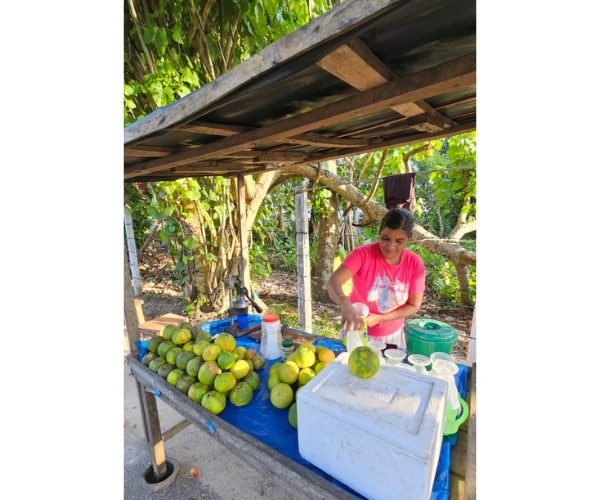
What truly brought Unawatuna into focus for me was the people shaping it now, especially the younger generation. Many of them are running small businesses, creative ventures, or family-led operations. Most started with very little, building slowly, learning as they went, and relying heavily on one another.
What stood out was how openly supportive they were. One person sending customers to another without hesitation. Someone else lending equipment or offering advice. Success here doesn’t feel competitive. It feels collective. There’s a shared understanding that if the town thrives, everyone benefits.
Many of the people shaping Unawatuna now are young, creative, and deeply invested in the place, not just as a destination, but as somewhere they actually want to live, build, and spend their evenings.
This collaboration gives Unawatuna a grounded confidence. It feels lived in, not manufactured. Locals and visitors share the same spaces, the same rhythms, the same pauses. There isn’t a sharp divide between who belongs and who is passing through.
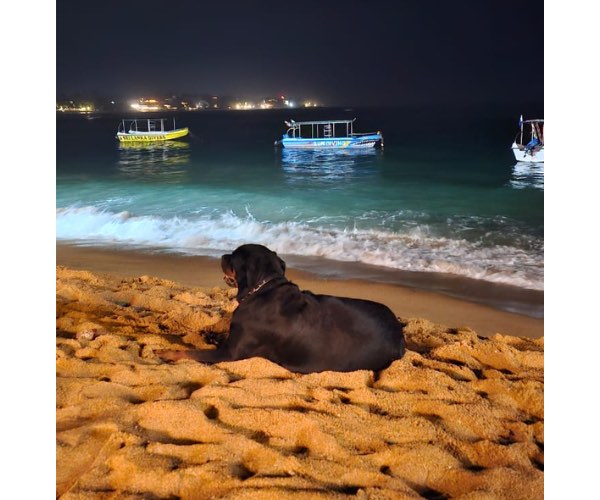
Then there are the dogs, quietly woven into daily life.
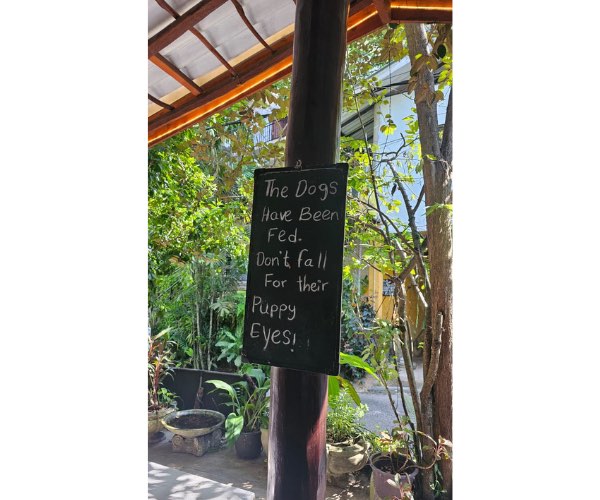
They nap in the shade, wander familiar routes, wait patiently near places they know will be kind to them. Each seems to have a routine, a preferred time of day, a set of people who look out for them. What struck me most was how well they are cared for. They are fed. They are noticed. If one looks unwell, someone steps in.
No one makes a show of it. Care here is communal and unspoken.
It’s a small detail, but it reveals a lot. A place that looks after its animals with such consistency is a place that understands responsibility as something shared. The dogs add a gentle joy to Unawatuna’s atmosphere, making it feel warm, human, and deeply settled.
Coming Back to What We Forgot
For Sri Lankan travellers, especially, Unawatuna carries a strong sense of nostalgia. Many people have been coming here since their teens and now return with families of their own. It’s one of those rare places that grows with you. What you need from it changes, but the place itself remains steady.
It’s also remarkably accessible. Close enough to Colombo to feel spontaneous, far enough to feel like a real break. You don’t need elaborate planning. You arrive, settle in, and let the days unfold.
What has changed is not Unawatuna’s soul, but how clearly it understands itself. There is a quiet confidence in the way the town holds together now. Safe swimming. Walkable spaces. A strong sense of community. Lively evenings. Familiar comforts.
Unawatuna doesn’t need hype. What it needs is recognition. It has always been here, calm, welcoming, and deeply human. All it asks now is that we look again.









3 Comments
ANNE CUNT says:
Dec 23, 2025 at 04:45 pmEnd of Unawatuna and end of Sri-Lanka if we let the jews build chabad houses
Nazim Saleem says:
Jan 08, 2026 at 10:57 pmI liked your article or rather a review on Unawatuna. Writing style is excellent and I enjoyed reading it
Rajiv says:
Jan 15, 2026 at 11:09 amFantastic article. Did not know Unawatuna was so family friendly. Will definitely head over there!