
Way back in 2014, the World Health Organization (WHO) ranked Sri Lanka as the 4th from among 172 countries for suicide rates. A more recent report of another source indicates males as the higher percentage of people vulnerable to suicides in Sri Lanka. Another source, based in the UK concludes that from among the global women population, Sri Lankan women amount to a 4% to 5% that take their own lives, whereas the global median for women, stands at a 3%.
There goes a brief description to our topic, on the suicide rates and the more important ‘why’ of the suicides nationally.
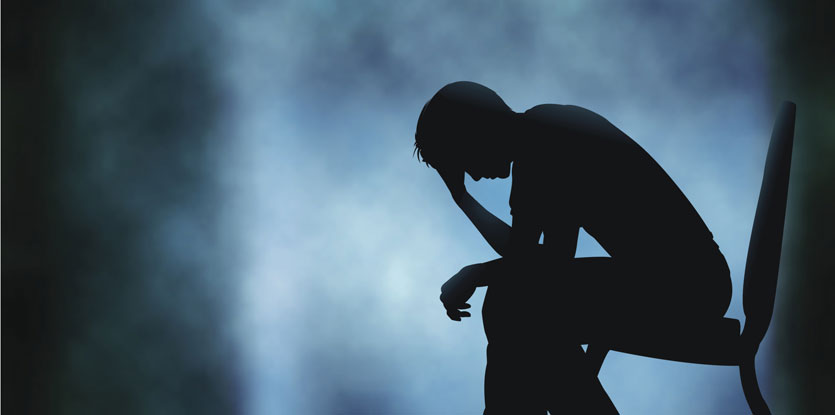
Most reports found that suicides are prevalent among the marginalized groups in the society. Some health care workers and teachers, attribute this trend, to the following reasons:
Number One: Abject poverty. Parents are unable to provide the very basic of human needs to their children. When a parent is unable to cope with the totally helpless feeling, when watching their brood suffer, they take the easy way out. At least for them, suicide.
Number Two: Stigma attached to some mental conditions. This can take many forms such as, general apathy to life, anxiety, depression or an addiction. Among the marginalized population, access to the right type of advice, awareness and treatment are quite limited. The stigma and the shame loom larger than the issue itself in their minds, and suicide seems the way out.
Number Three: Societal issues such as homes with migrant worker mothers. Needless to say, the main stay of a home is the mother in it. It is a non negotiable role that has been negotiated for the petro dollar economy at marginalized homes, for the lack of provision from the father. Or, the glitter and the glamour of ‘more of everything’, replaces the need to nurture the young lives, that are then left to an aging and ailing grandparent or a dismissive uncle or aunt. In fairness, most replacement mentors may be doing the best they can with a brood that this not theirs – but none can replace the mother, in the lives of the young.
Is it a wonder that in the recent past, Sri Lanka had a few suicides in the teen age groups, some as young as a pre-teen?
Number Four: Substance abuse. Pressure to achieve, pressure to conform and the pressure to submerge a painful experience are some of the reasons that our young go down this path. When that too loses its effect on their numbed minds, suicide seems the last resort that they often resort to.
Number Five: Sexual promiscuity which is seen as a steady under current and as a form of venting one’s anger, frustration and helplessness in many other areas of life. Though this is not an issue that floats to the top for an erudite discourse on why and the wherefore of it in our self-righteous society, its’ time that this bull was taken by its horns to delve deep and tackle. Mum’s the word for sexual promiscuity no longer helps solve the issue. Do we need a Mount Vesuvius eruption to address the issue? What has suicide got to do with sexual promiscuity? Most suicides with this shadow over it are done to avoid facing the consequences of the self-righteous proclamations of a society, quick and willing to condemn, rather than to help and resolve.
Number Six: Deep depression resulting from any of the scenarios mentioned. Unless a vigilant family or a close circle of friends identify the early signs that will lead to depression and take note to treat, depression will move in. If this too goes unnoticed and not treated, the dangerous and slippery path to a suicide can inevitably happen. So, who will take notice?
Number Seven: Low access to the right kind of advise, counselling, treatment or support and help. If suicide is prevalent among the marginalized groups in Sri Lanka, their daily struggle to live the day, is an underpinning tragedy that escalates the need to exit from all that spells struggle, pain and isolation. Will they have the time or the resources to pull together a good support network for the person suffering from any one of the symptoms mentioned?
According to psychologists, no one wakes up in the morning and decides to take one’s life, unless they’ve been through a dark and lonely tunnel, for a period of time. If they take their own life, the family left behind, as Clark says “The person who completes suicide, dies once. Those left behind die a thousand deaths, trying to relive those terrible moments and understand … Why?” – Clark (2001)
So, if there’s anyone in your life who is suicidal – just get help. Till helps is got, stand by the person, be a comfort for the person and let that person know, the pain is going to go away – and he/she need not.
Chrissy learnt it the hard way, when a person close to her heart got into deep depression. Thankfully, there were others who loved that person more, to seek help.
Who should and could help?
For starters, here’s a tip:
National Council for Mental Health
Resource Centre - Colombo 08
No. 96/20, Kitulwatta Road, Colombo - 08, Sri Lanka
Tel: +94 112 685 960 / +94 114 339 606-7
Fax: +94 112 685 950
Email: [email protected]
National Council for Mental Health
Gorakana - Residential Facility
No. 115/2, Galkanuwa Rd, Gorakana, Panadura, Sri Lanka
Tel: +94 383 398 317 / +94 384 927 506 / +94 382 297 702
Fax: +94 382 287 203
Email: [email protected]











Comments (2)
Sumithrayo
Nov 17, 2016 01:09 pmSumithrayo is available 365 days of the year to provide Confidential Emotional Support for people who are experiencing, feelings of distress or despair, including those that may lead to suicide. Open daily from 9.00 am to 8.00 pm Free Service Contact: 2692909/2683555/2696666 Email: [email protected]
ReplyChandi Perera
Nov 24, 2016 02:50 pmThank You. That's very helpful.
Leave Comment