
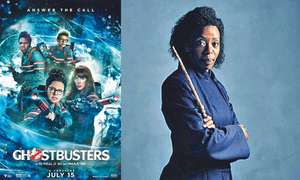
Discourse surrounding representation in movies and tv series has seen a barrage of support, but also dissent. While most welcome the inclusion of characters of different races or sexual orientations, some claim studios are pandering to woke culture under the guise of being progressive and inclusive.
In an online forum, a commenter argued that “There is definitely a disparity in representation in movies and television. White people have always been shown much more than people of colour. The same is true for straight, cis-gendered people. Our culture today demands more representation and that is a good thing, but retroactively changing a character's traits and/or identity to win ‘progressivity points’ is wrong. There are better ways to fix this problem without changing the characters people already know and love. This goes for making a white character black, an Asian character white, or any race change at all. The same is true for sexual orientation or gender”. The comment echoes the opinions of many of the dissenters.
The main issue lies with the fact that “Representation” has become yet another buzzword, a bandwagon that is immensely profitable. In an impassioned essay, Charles Caesar wrote, “As queer people continue to carve out our rightful place in onscreen storytelling, “representation” has become something of a perfunctory blanket term for all the work we’re doing: We sometimes talk as though we only need more LGBTQ+ characters, more LGBTQ+ actors, or both, and then we’ll have finally shattered the silver screen’s cisgender, heterosexual status quo. But at this point, I think it’s clear that “representation” has become a hollow substitute for meaningful change. The nefarious underside of boosting LGBTQ+ “representation” is that it gives permission for the film and television industry to make shallow displays of tokenism, peppering LGBTQ+ characters and themes into larger, cis-het narratives. Looking back now on the last ten years, it seems almost obvious what has happened: As soon as “representation” became a potentially profitable industry buzzword, it gave Hollywood an excuse to do less, instead of motivating the industry to do more”.
As audiences, we don’t get fleshed out characterisation in movies and tv shows, but shallow caricatures devoid of the nuances that give life to the lived experiences of people of colour, those different genders, and/or the queer community. Simply switching a well-known character’s gender, sexual orientation, or race, while ignoring the histories that may have shaped them is a disservice not just to the audience, but also to the character. So as we ask for more “representation” are we also holding the industry accountable for their often cursory take on these characters?
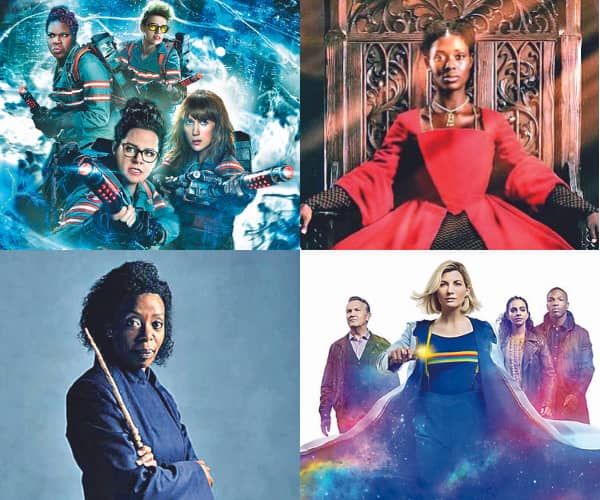
Recently Jodie Turner-Smith, a Black actress was cast as Anne Boleyn, causing a backlash as the historical character was White, with many questioning if it would be ok for a White actor to play a Black historical character. There have been questions as to if it's ok for straight actors to play gay characters. James Bond fans were annoyed at the possibility of the iconic character being a woman. The new Snow White is going to be played by a Latina actress but Peter Dinklage was taken aback that the story was still about the seven dwarfs. Many characters in TV shows that were once male have been gender-swapped. So, is being politically correct killing creativity in Hollywood?
We asked avid moviegoers what they thought about representation in the movie and tv industries, and how they felt about race, gender, or sexual orientation of pre-existing characters being changed. Here’s what they had to say.
Nimna
We live in a world where everyone just jumps on bandwagons just to be relevant, and it’s quite obvious that even the movie and tv industries do that to ensure profitability. But it’s beyond ridiculous when they try to change the gender or sexuality of well-known and beloved characters. Yes, kids would love a role model who looks like them that they can identify with. But why mess with what’s already there? Create new characters.
Ashan
I think the fact that they’re trying to have more representation is a good thing. I personally love seeing brown-skinned people, especially in lead roles in movies and tv shows. There is no harm in changing a character's gender or sexuality, as I don’t think there is any rule set in stone that a character can’t be changed. That’s why the concept of artistic license exists.
Janidu
I think it’s lazy. Create new characters, don’t try to ruin characters who already exist. There’s a limit to being politically correct and trying to cater to woke people all the time. Don’t give just because anyone asks because that results in substandard work. Instead, they need to make the effort to create an entire character. They made the ghostbusters movie with females in the lead, the movie just didn’t work. This is one of many examples as to why you shouldn’t haphazardly create characters based on the current whims and fancies of audiences.
JD
As a member of the queer community, it frustrates me to no end seeing token gay characters and queer baiting. The characters are often badly written, just exist in the background in the name of inclusivity, and some of the scenes are forced, unnecessary or simply make zero sense in the context. And for what? That’s definitely not what we ask for when we ask for representation. We have stories and experiences that shape us, take them into account when writing characters instead of just adding them for the sake of.
Charith
I think we need to see this a little bit more objectively. Maybe these popular and cult favourite movies have such a wide reach and acceptance that they are now in a place where they can be open to interpretation and reproduction. In a way, it is quite an honour for a character and a movie to be considered a staple that can achieve this status. Especially in plays, many Shakespearean characters, for instance, have been gender-swapped. Even in Cursed Child, Hermione was played by a black actress. I think it’s best to just enjoy movies without being offended by everything.
Nadi
I believe that it's probably just easier to piggyback an already well-established and loved character than create a new one. No wonder we’re constantly seeing news of well-known characters being gender, race, or sexuality swapped, for example. It’s easy for the audience to relate to a character they already know and love. Having said that, I’m not too fond of the idea. At the end of the day, the characters are just not that well written and fall flat.
Lee
I don’t think we should be changing well-established characters just to appeal to the current political climate. These are just PC stunts that are just plain disrespectful to the characters. There were rumours that James Bond will be female. Thank God it was said to be untrue and that a newer female character will be created instead. There are certain things we as an audience expect from James Bond, and by gender-swapping to satisfy the woke folks, they would just ruin an iconic character.









Comments (0)
Leave Comment